
The Best Time to Go on a Safari in South Africa (Month-by-Month Guide)
Ask ten guides when to go on safari in South Africa and you’ll get the same first answer: the dry winter, May to September, followed by ten different “but actually” caveats.
That’s because the best time of year for a glamping safari in South Africa depends entirely on what you’re optimising for: guaranteed sightings, green landscapes, newborn animals, low rates, or warm nights under canvas.
This guide walks through the whole year, month by month, with a glamper’s eye, because sleeping in a tented suite makes the seasons matter in ways a brick-and-mortar lodge never does.
A thunderstorm on canvas is an event. A July night in an unheated tent is also an event, of a different kind.
The Short Answer
For the easiest game viewing: June to September. Dry bush, animals at waterholes, mild sunny days.
For value, birdlife, and baby animals: November to March, the green season, when rates at many tented camps drop 20–40%.
For Cape-style glamping, domes, treehouses, and winelands hideaways, the calendar flips: December to March is the warm, dry window.
South Africa’s great advantage is that it’s a genuine year-round destination. There is no month in which a safari here is a bad idea, only months better suited to different travellers.
Month by Month: What to Expect
January & February: Green, Hot, and Alive
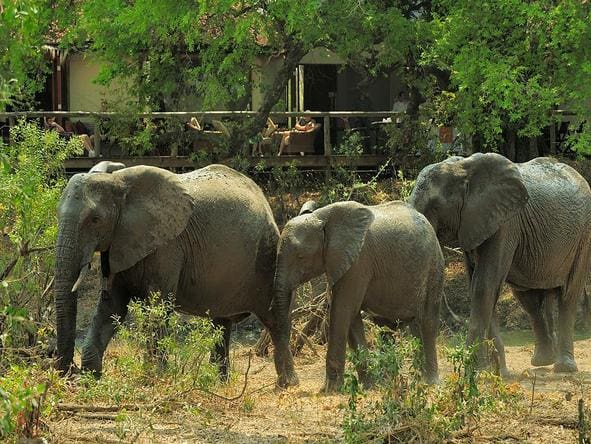
Midsummer in the bushveld means dramatic afternoon thunderstorms, thick emerald vegetation, and temperatures that regularly pass 35°C in the Lowveld.
Game viewing takes more patience; animals disperse when water is everywhere, but the bush is full of impala lambs, wildebeest calves, and summer migrant birds.
For glampers, this is plunge-pool season. Camps with private pools and shaded decks earn their keep, and falling asleep to rain on canvas is one of the underrated pleasures of African travel. Rates are at their lowest outside the New Year period.
March & April: The Sweet Spot Nobody Books
The rains taper off, the heat softens, and the bush is still green but thinning. Autumn is arguably the most underrated window on the safari calendar: shoulder-season rates, comfortable temperatures, and steadily improving sightings as surface water dries up. Easter school holidays are the one crowd spike to plan around.
May: Winter Arrives, Value Remains
May is the hinge month. Mornings turn crisp, the grass turns gold, and game viewing improves by the week, but many camps still charge shoulder-season rates. If you want dry-season sightings without dry-season prices, book May.
June to August: Prime Time Under Canvas
This is the classic South African safari: cloudless skies, daytime temperatures around 22–26°C, and wildlife concentrated along rivers and waterholes. Vegetation is at its thinnest, so visibility is superb, and the malaria risk in the Lowveld drops to its annual low.
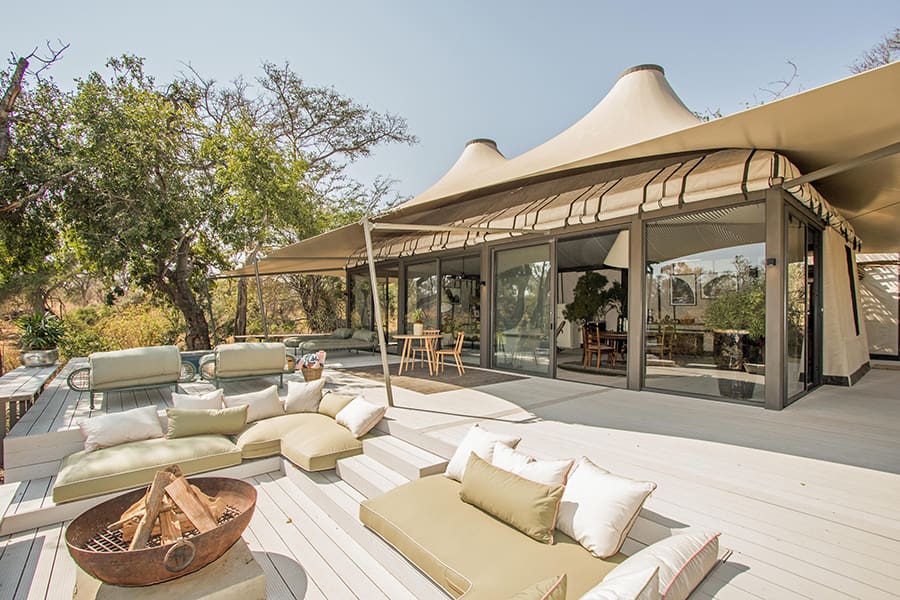
The one thing first-time glampers underestimate: winter nights in the bushveld can drop close to freezing, and canvas does not hold heat the way brick does.
Good camps handle this with hot water bottles, fireplaces, electric blankets, and blankets on game-drive vehicles, but pack proper warm layers for those 6am departures.
Our guide to luxury bushveld stays in South Africa covers which properties are best set up for winter comfort.
September & October: The Best Game Viewing of the Year
Late dry season is when sightings peak. Water is scarce, the bush is bare, and predator action around remaining waterholes is at its most intense. October adds real heat, often 35°C+ in Kruger, which is why guides love it and midday siestas become mandatory.
For a deeper dive into this region specifically, see our month-by-month guide to the best time to visit Kruger.
November & December: First Rains and New Life
The first storms break the heat, the bush greens almost overnight, and the impala birthing season floods the veld with lambs, and the predators that follow them.
Birders get the full summer migrant spectacle. Early December is quiet and well priced; from mid-December, South African school holidays fill camps and rates jump.
One Country, Two Calendars: Bushveld vs the Cape

South Africa effectively runs two glamping seasons in opposite directions.
The safari regions, Kruger and the Greater Kruger, Madikwe, the Waterberg, the Eastern Cape, follow the summer-rainfall pattern above: dry winters, wet summers.
The Western Cape, home to a fast-growing collection of eco-domes, treehouses, and winelands retreats, gets its rain in winter. December to March is warm and dry, ideal for glass-fronted domes and outdoor baths; June to August is green, moody, and cheap, with storm-watching as the main event.
A two-week trip pairing a Cape summer with a green-season safari, or a winter safari with a cosy winelands escape, works in either direction. Browse our full collection of glamping properties across Africa to mix and match.
Choosing by Priority, Not by Month
Travelling with young children? Consider one of South Africa’s malaria-free Big Five reserves: Madikwe, the Eastern Cape, the Waterberg, where the season matters far less than the absence of prophylactics. Winter game viewing is still better, but summer is entirely workable.
On a budget? Green season, hands down. The rate difference between February and July at the same tented camp can fund several extra nights. We compare the trade-offs honestly in our green season vs dry season guide.
Photographer? Split the difference: late November or March gives you green backdrops, dramatic skies, golden light, and lower rates than peak winter.
First safari, limited time, want certainty? June to September in the Greater Kruger. It’s the closest thing to a guarantee the bush offers.
Frequently Asked Questions
What is the cheapest time of year for a safari in South Africa?
Mid-January to March, after the holiday crowds leave and before Easter. Many private tented lodges publish “green season” or “summer” rates 20–40% below their winter pricing, and last-minute availability is common.
Is it too cold to go glamping in South Africa in winter?
No, but pack for it. Winter days are gloriously mild and sunny; it’s the nights and early game drives that bite, sometimes approaching 0°C in the bushveld. Established tented camps are well equipped with heating, hot water bottles, and heavy bedding.
When is malaria season in South Africa?
Malaria risk in the Kruger Lowveld is highest during and just after the rains, roughly October to May, and lowest in the dry winter. Large parts of South Africa’s safari country (Madikwe, Pilanesberg, the Waterberg, and the Eastern Cape) are malaria-free year-round.
How far ahead should I book?
For July to October at sought-after tented camps, 6–12 months. For green-season travel, a few weeks is often enough; one more reason value hunters love it.