Glamping Safari in South Africa: The Complete Guide
What a glamping safari in South Africa costs, the best regions and times to go, malaria-free options, and how to choose your lodge. Your complete 2026 guide.
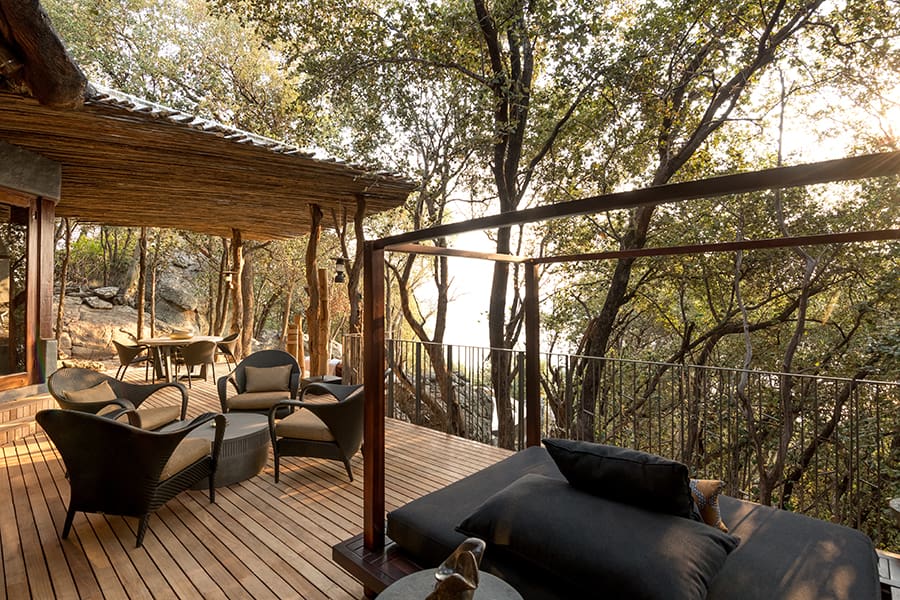
A glamping safari in South Africa is a wildlife safari where you stay in a luxury tented camp or lodge rather than roughing it: think a king-size bed under canvas, a private deck, an en-suite bathroom and gourmet meals, all in the heart of Big Five country. It pairs the immersion of camping, falling asleep to lions calling, waking to birdsong, with the comfort of a five-star hotel.
It's also one of the most accessible and best-value ways to go on safari anywhere in Africa.
Below is everything you need to plan one: where to go, when, what it costs, whether you need malaria precautions, and how to choose the right camp for the way you actually want to travel.
What is a glamping safari, and what's included?
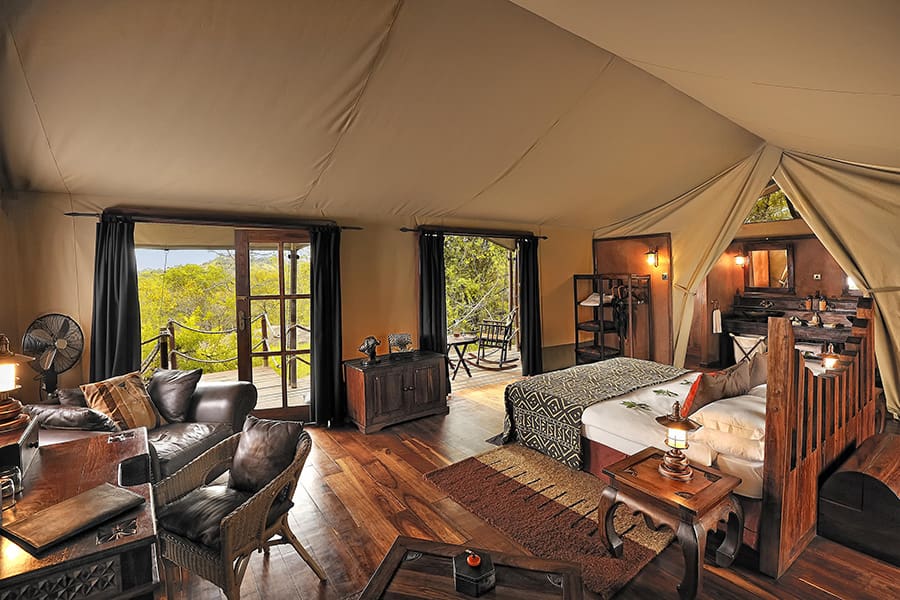
“Glamping” is glamorous camping, the canvas-and-wilderness experience with the rough edges removed.
On a South African glamping safari that typically means a spacious tented suite with solid floors and proper plumbing, a real bed with quality linen, a private veranda (often with a plunge pool), and design that frames the bush rather than shutting it out.
Most luxury safari camps are run on an all-inclusive basis. A nightly rate usually covers:
- Your tented suite or lodge room
- All meals, often served in unusual settings (a bush breakfast, a dinner in the boma)
- Two guided activities a day: a dawn game drive and a late-afternoon drive that rolls into sundowners
- The expertise of a ranger and tracker, plus park and conservation fees
- House drinks and local road transfers (this varies by camp)
What's usually not included: international flights, premium wines and spirits, spa treatments, gratuities for guides and staff (budget roughly US$10–25 per guest per day), and optional extras like a hot-air balloon flight or a private vehicle.
New to this? See our full guide to glamping vs traditional camping on safari.
Where to go: South Africa's best glamping safari regions
South Africa's great advantage is variety. You can be tracking leopard in the morning and in a Cape Town restaurant two days later. These are the regions worth building a trip around.
Greater Kruger & the Sabi Sand. The classic choice. The Greater Kruger — the private reserves bordering Kruger National Park, including the famous Sabi Sand — offers the country's most reliable Big Five viewing and off-road traversing rights that put you metres from a sighting. The Sabi Sand in particular is widely considered the best place on earth to see leopard.
It's home to some of the most celebrated tented camps in Africa, and to genuinely unusual stays like a luxury hotel built into a converted train suspended on a bridge over the Sabie River.
Browse our Greater Kruger and Sabi Sand camps, including Singita Ebony, Singita Sweni and Kruger Shalati.
Madikwe. A large, malaria-free reserve on the Botswana border with excellent Big Five sightings, healthy wild dog and cheetah populations, no day visitors, and several lodges built specifically around families. See our Madikwe lodges.
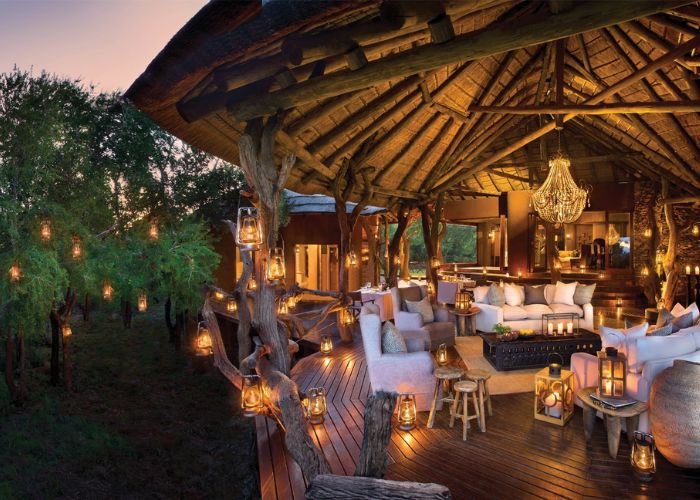
The Eastern Cape. Malaria-free and easy to combine with the Garden Route and Cape Town. Reserves like Addo, Shamwari, Kwandwe, Amakhala and Kariega pair Big Five game viewing with shorter travel times, ideal for families and first-timers. See our Eastern Cape reserves.
The Waterberg. Limpopo's malaria-free UNESCO biosphere, under three hours from Johannesburg. Rolling hills, walking and horseback safaris, and intimate exclusive-use lodges that suit multigenerational groups. See our Waterberg lodges.
The Kalahari & the Karoo. Vast, dramatic, semi-desert wilderness and some of the country's most exclusive, lowest-density camps. Malaria-free, and a striking change of scenery: desert-adapted wildlife, huge skies and exceptional stargazing.
See our Karoo and Kalahari camps, including Dwyka Tented Lodge in the malaria-free Sanbona reserve.
Bush and Cape Town. Many travellers pair a few nights on safari with Cape Town and the Winelands; it adds variety, a chance to slow down, and (for couples) a natural honeymoon rhythm of bush then beach. Plan the city side of your trip with our Cape Town stays, such as More Quarters in Gardens.
When is the best time for a glamping safari?
South Africa is a year-round destination, but the experience changes with the seasons. The short answer: travel in the dry winter (roughly May–September) for the best Big Five viewing, or the green summer (roughly November–March) for lush scenery, newborn animals, superb birding and lower rates.
| Season | Months | Best for | Trade-offs |
|---|---|---|---|
| Dry / winter | May – Sep | Best game viewing; thin bush; animals at waterholes; peak photography | animals at waterholes; peak photographyCold mornings; peak prices & crowds (esp. Jul–Aug) |
| Shoulder | Apr & Oct/Nov | Balance of good sightings, fewer vehicles and softer prices | Variable weather either side |
| Green / summer | summerNov – Mar | Lush landscapes, baby animals, migratory birds, lower rates | Denser bush; hotter, humid days; higher malaria risk in malaria zones |
For a region-by-region breakdown, read the best time to visit South Africa for a safari.
How much does a glamping safari in South Africa cost?
South Africa is one of the best-value safari destinations in Africa, helped by good infrastructure and a favourable exchange rate for most visitors. Rates are quoted per person per night, sharing, and are usually all-inclusive. As a 2026 guideline:
| Tier | Per person / night (sharing) | What you get |
|---|---|---|
| Mid-range / 4-star | ~US$350 – 650 | Comfortable lodges and tented camps, good guiding, shared drives |
| Luxury private reserve | ~US$700 – 1,500 | Premium lodges, smaller camps, private-vehicle options, gourmet dining |
| Ultra-luxury | ~US$2,000 – 3,000+ | The most exclusive Sabi Sand and private-villa camps, especially in peak season |
The single biggest lever on price is your choice of lodge, followed by season (the green season is cheaper, and many camps waive single supplements then) and whether you fly in or self-drive/transfer by road. Remember to budget separately for international flights, gratuities and any optional activities.
For worked examples and what drives the number, see how much a luxury safari costs in South Africa.
Do you need malaria precautions? (And the malaria-free option)
This is the question that decides the region for many families. The Greater Kruger lies within a low-risk malaria zone, with the risk highest in the wet summer months; antimalarial medication is generally recommended there.
The good news is that South Africa has a cluster of excellent malaria-free Big Five reserves, a genuine advantage over most African safari destinations, and especially valuable if you're travelling with young children or prefer to skip the medication.
The reliably malaria-free safari regions are the Eastern Cape, Pilanesberg, Madikwe, the Waterberg, the Kalahari (Tswalu) and the Karoo (including Sanbona). You don't compromise on wildlife, all offer the Big Five.
Malaria risk and guidance change, so always confirm current advice with a travel clinic or your doctor before you go. This guide is general information, not medical advice.
See our roundup of malaria-free safaris in South Africa and the lodges in each region.
Who is a glamping safari for?
Honeymooners. Safari has a natural romance: private decks, bush dinners, time to actually slow down together. Many camps offer honeymoon suites and perks. Because the best small camps book out fast within tight travel windows, start planning 9–12 months ahead. See the best honeymoon safari lodges.
Families. Malaria-free reserves with junior-ranger programmes and family suites make South Africa one of the easiest places to safari with children, and family rates are common. See family-friendly safari lodges.
First-timers. Short transfer times, English widely spoken, and the option to combine bush with Cape Town make it a forgiving introduction to Africa.
Multigenerational groups and friends. Exclusive-use villas let a whole party take over a lodge with a private chef, guide and vehicle.
What to expect and what to pack
You'll wake before dawn, spend the cool early hours and late afternoons out looking for wildlife, and rest through the heat of the midday. Days are full but unhurried. Pack neutral, earthy colours for game drives (leave the bright whites and bold prints for the pool), layers for chilly mornings, and keep luggage light and soft-sided — light-aircraft transfers to remote camps often cap baggage at 15–20 kg, soft bags only.
Get the full African safari packing list, including the light-aircraft checklist.
How to choose the right camp
Work in this order: region (driven by season, malaria preference and what else you want to see), then who's travelling (couple, family, group), then lodge style and budget. Don't over-stack camps; two or three nights in one good camp beats a different lodge every night, where the trip turns into packing and transfers. Decide how you want your days to feel, then match the camp to that.
When you're ready, browse all our luxury glamping safari camps and filter by region.
Frequently asked questions
What is a glamping safari?
A glamping safari is a wildlife safari where you stay in a luxury tented camp or lodge with hotel-standard comforts: a real bed, en-suite bathroom, private deck and gourmet meals, while remaining immersed in the bush. It combines the atmosphere of camping with five-star comfort.
How much does a glamping safari in South Africa cost?
As a 2026 guideline, expect roughly US$350–650 per person per night for mid-range camps, US$700–1,500 for luxury private reserves, and US$2,000+ for ultra-luxury lodges. Rates are usually all-inclusive of meals, game drives and park fees.
When is the best time to go?
The dry winter months (May–September) offer the best Big Five viewing, while the green summer (November–March) brings lush scenery, baby animals and lower rates. April and October/November are good-value shoulder months.
Is a South African safari malaria-free?
Not everywhere. The Greater Kruger is a low-risk malaria zone. But South Africa has several malaria-free Big Five reserves, including the Eastern Cape, Madikwe, Pilanesberg, the Waterberg and the Karoo. Always confirm current health advice with a doctor.
Is a glamping safari suitable for families with young children?
Yes. Malaria-free reserves such as Madikwe and the Eastern Cape have lodges built for families, with junior-ranger programmes, family suites and child rates.
How far in advance should I book?
For peak season and the best small camps, book 9–12 months ahead. Green-season and shorter trips can often be arranged with less lead time.
1 thought on “Glamping Safari in South Africa: The Complete Guide”
Comments are closed.