The Best Time to Visit Kruger for a Safari: Month by Month
June to September for the most reliable game viewing, November to March for value and birdlife, and May and early October for the shrewd in-between. The full month-by-month picture, including what each season means if you are sleeping under canvas.
June to September gives you the most reliable game viewing. November to March gives you value, birdlife and newborn animals. May and early October are the shrewd in-between, and September is the month most guides name first. Here is the full month-by-month picture, including the details that matter if you are sleeping under canvas.
8 MIN READ • UPDATED SEPTEMBER 2026
In this guide
- Kruger’s two seasons in one minute
- At a glance: Kruger month by month
- The months in detail
- Public Kruger and the private reserves time differently
- What each season feels like under canvas
- Malaria: the seasonal factor families cannot ignore
- Which month should you choose?
- Frequently asked questions
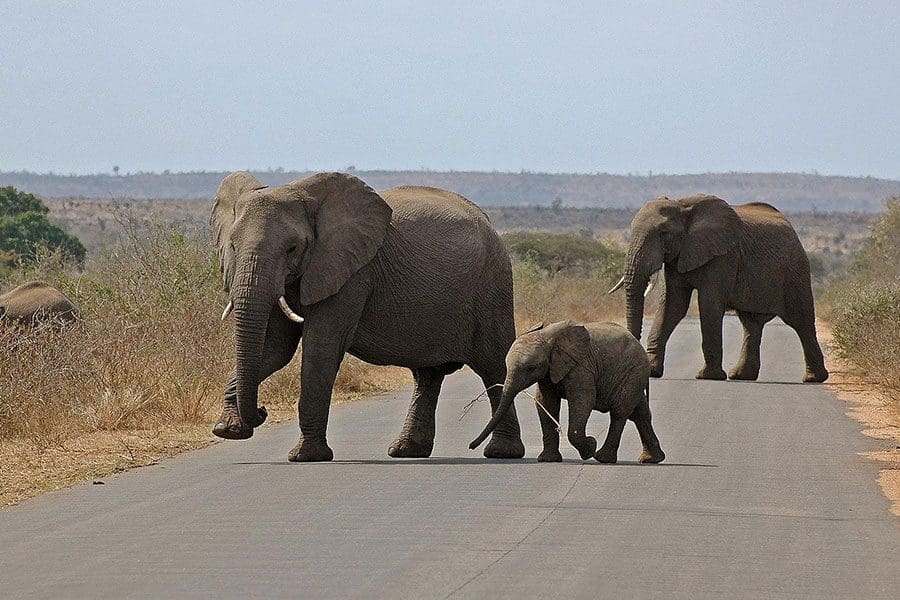
Kruger National Park and the private reserves along its unfenced western boundary, together the Greater Kruger, form the busiest and best-known safari region in Africa. It is also open every single day of the year, which raises the obvious question: when should you actually go?
The honest answer is that there is no bad month, only months that suit different travellers. What follows is what each one actually delivers.
Kruger’s two seasons in one minute
Kruger sits in a summer-rainfall zone. From roughly November to March it is hot, humid and punctuated by afternoon thunderstorms. The bush is thick and green and surface water is everywhere. From May to September it is dry, mild and dusty. Vegetation dies back, rivers shrink to pools, and wildlife concentrates where the water is.
Neither season is wrong. They are different products. One is a lush, dramatic, better-value safari that asks for a little more patience. The other is a near-guaranteed wildlife show in perfect weather at peak prices. Our green season versus dry season comparison works through that trade-off in full.
At a glance: Kruger month by month
| Month | Weather | Game viewing | Crowds | Price | Best for |
|---|---|---|---|---|---|
| January | Hot, stormy, 32 to 38°C | Hardest | Quiet after mid-month | Low | Birders, solitude, budget |
| February | Wettest month | Hardest | Quietest of the year | Low | Value and empty roads |
| March | Rains easing | Improving | Quiet | Low | Green landscapes, fewer storms |
| April | Mild, drying | Improving | Easter spike | Shoulder | First golden tones |
| May | Crisp mornings, dry | Very good | Low | Shoulder | The value sweet spot |
| June | Cool, cold nights | Very good | Building | Peak begins | Comfortable dry-season start |
| July | Cold nights, near 5°C | Excellent | School holidays | Peak | Classic safari, book early |
| August | Mild, dusty | Excellent | Busy | Peak | Reliable sightings |
| September | Warming, dry | Best of the year | Busy | Peak | Waterhole drama |
| October | Hot, often 35°C+ | Excellent | Thinning | Peak easing | Sightings without the crowds |
| November | First rains | Good, changing fast | Low | Shoulder | Impala lambing, migrant birds |
| December | Hot, green | Moderate | Packed from mid-month | Low then peak | Early December only |
The months in detail
January and February
Hot, regularly 32 to 38°C, green and stormy. Game viewing is at its most challenging, with tall grass and dispersed animals, but the park is quiet once school holidays end, rates are low, and the birding is world-class with all the summer migrants in residence. February is statistically Kruger’s wettest and quietest month: a genuine bargain window for travellers who value solitude over sighting counts.
March and April
The rains wind down and conditions improve week by week. The bush is still thick but the worst heat has passed, and by late April the first golden tones appear. Watch the Easter holiday calendar, which is the one autumn crowd spike, especially in the public park.
May
Quietly one of the best months on the calendar. The bush thins fast, mornings turn crisp, mosquitoes all but vanish, and many lodges are still on shoulder rates. If you want winter-quality sightings without winter pricing, May is the answer.
June, July and August
Classic dry-season Kruger: cloudless days around 24°C, cold nights that can approach 5°C or lower, bare bush, and animals reliably gathered at rivers and waterholes. Malaria risk hits its annual low. This is peak season for good reason, so book sought-after tented camps six to twelve months out and expect the public park’s main roads to be busy during July’s school holidays.
September and October
The late dry season is Kruger’s most intense wildlife window. Water is at its scarcest, visibility at its best, and waterhole drama, meaning big herds and patrolling predators, at its peak. October brings serious heat, often above 35°C, which thins the crowds while the sightings stay superb. Guides consistently name September and October among their favourite months, and travellers who handle heat well should take the hint.
November and December
The first rains transform the park within days. The impala lambing season begins, bringing tens of thousands of lambs and predators taking full advantage, while migrant birds pour back in. Early December is a lovely, quiet, well-priced window. From mid-December the summer holiday crowds arrive and the public camps fill completely.
Public Kruger and the private reserves time differently
One nuance most timing guides miss: the season affects the public park far more than it affects the private reserves.
In public Kruger you are restricted to the road network, so thick summer bush genuinely hides animals from you. In the Sabi Sand and the other Greater Kruger reserves, guides drive off-road and track on the ground, which means private-reserve game viewing holds up remarkably well even in the green season.
If you are set on summer travel, that is a strong argument for spending your budget on a private tented lodge rather than more nights in the public park. Our guide to luxury bushveld stays in South Africa breaks down the Greater Kruger’s reserves in detail, and you can browse our full list of glamping properties in the region, including one-of-a-kind stays such as Kruger Shalati, the train on the bridge above the Sabie River. For the park itself, see our Kruger National Park page.
What each season feels like under canvas
If you are staying in a tented camp rather than a brick chalet, the season changes the experience more than it would elsewhere, because canvas transmits both temperature and sound.
Winter nights in the Lowveld get properly cold. Established camps handle it well with hot water bottles, fireplaces and heavy duvets, but pack a warm jacket, a beanie and gloves for early game drives. You will use all three, and the open-sided game viewer at 5.30am is colder than the thermometer suggests.
Summer runs the other way. Nights are warm enough that outdoor showers and star beds are a pleasure rather than a dare, plunge pools finally earn their keep, and a thunderstorm on canvas is one of the better things you will hear. The trade is humidity, insects and the occasional washed-out afternoon drive. Our guide to what a tented camp actually is explains how these structures are built and what that means in each season.
Malaria: the seasonal factor families cannot ignore
Kruger is a malaria area, and risk tracks the rain: highest from roughly October to May, lowest in the dry winter. Travelling June to September meaningfully reduces the risk without eliminating it, and prophylactics are still generally recommended year-round.
This is general information rather than medical advice. Consult a travel clinic four to six weeks before departure, and if you are travelling with young children or while pregnant, consider removing the question entirely by choosing one of South Africa’s malaria-free Big Five reserves instead.
Which month should you choose?
First safari, and you want to be sure of sightings? July to September, booked well ahead.
Best all-round value? May, or early June. Winter-quality bush at shoulder prices.
Travelling on a budget, or you have been on safari before? January to March, ideally at a private reserve where guiding offsets the thicker bush.
Photographer or birder? November to March for the light, the skies and the migrants.
You handle heat well and want the drama without the crowds? October.
Travelling with small children? June to September in the Greater Kruger, or a malaria-free reserve at any time of year.
For the wider national picture, see our month-by-month guide to the best time for a safari in South Africa, or widen it further with best time to visit Africa. When you are ready to pick a camp, browse every way to stay.
Frequently asked questions
What is the single best month to visit Kruger?
For pure game viewing, September: the bush is at its barest, water at its scarcest, and the heat has not yet peaked. For the best balance of sightings, weather, crowds and price, May and early June are hard to beat.
When is Kruger cheapest?
Mid-January to March. Private lodges publish summer rates well below winter pricing, and availability is easy outside Easter. See our green season versus dry season comparison for what you trade for the saving.
When is Kruger most crowded?
South African school holidays: mid-December to early January, Easter, and the July winter break. The private reserves cap guest numbers by design, so crowding is mostly a public-park phenomenon.
How cold does Kruger get in winter?
Days are mild, typically around 24°C and cloudless. Nights are the surprise, dropping towards 5°C and occasionally lower in June and July. In a tented camp that is noticeable, so pack layers for early morning drives even though the afternoons feel like spring.
How far ahead should I book?
For July to September, six to twelve months, and at the upper end of that range for well-known tented camps and for family units, which are scarce everywhere. Green-season travel can often be booked three to six months out, and last-minute availability in February is common.
Is the green season worth it in Kruger?
Yes, if you go in with the right expectations. Sightings take more work in the public park, but the landscapes, birdlife, newborn animals and pricing are all at their best, and private-reserve guiding largely closes the sightings gap.
1 thought on “The Best Time to Visit Kruger for a Safari: Month by Month”
Comments are closed.