
Where to stay in Marloth Park
9 hand-picked glamping camps and lodges in and around the park.
Loerie Escape

Kruger’s Keep

Impala Lily
Royale Marlothi Safari Lodge
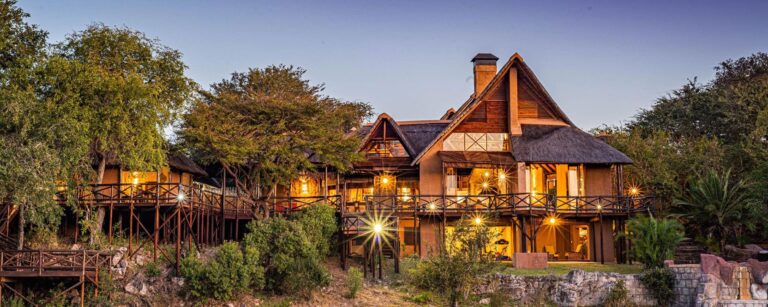
Lukimbi Safari Lodge
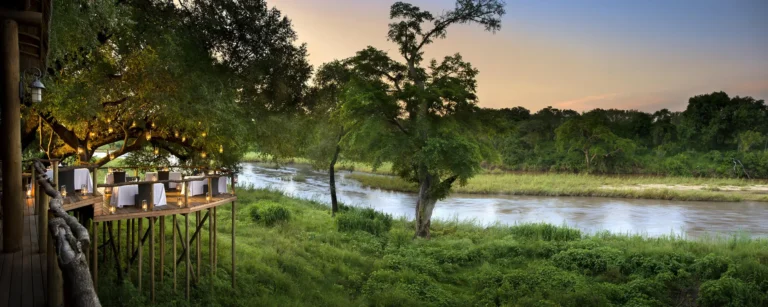
Narina Lodge

Jock Safari Lodge

Jackalberry Ridge

Ngalas Rest 101
Marloth Park guide
Overview
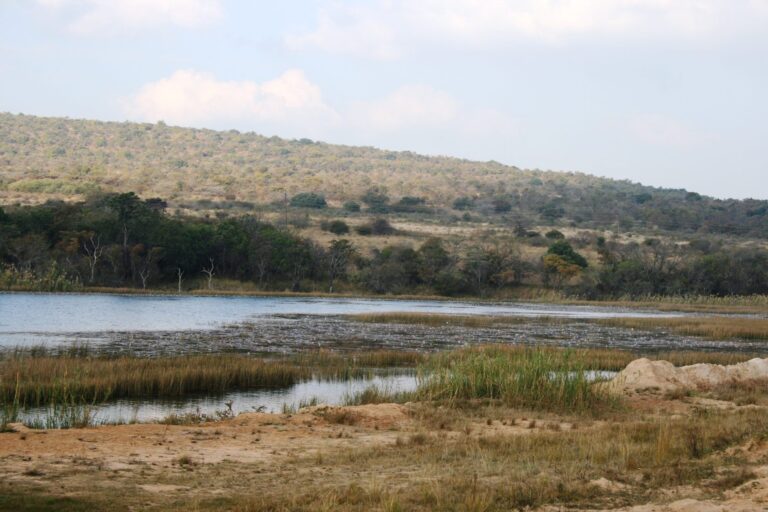
Marloth Park is an unusual place: a holiday town where giraffe, zebra, kudu and wildebeest wander freely between the houses. It lies on the south bank of the Crocodile River in Mpumalanga, and the river forms the southern boundary of Kruger National Park. From a riverside deck you can often watch elephant, buffalo and hippo on the Kruger side.
The town was proclaimed as a holiday township in 1977. There are no fences between the properties, there are no dangerous predators in the town itself, and the roads are gravel, with strict speed limits to protect the animals. Next to it is Lionspruit, a small fenced game reserve owned by the town, and together they cover roughly 3,000 hectares.
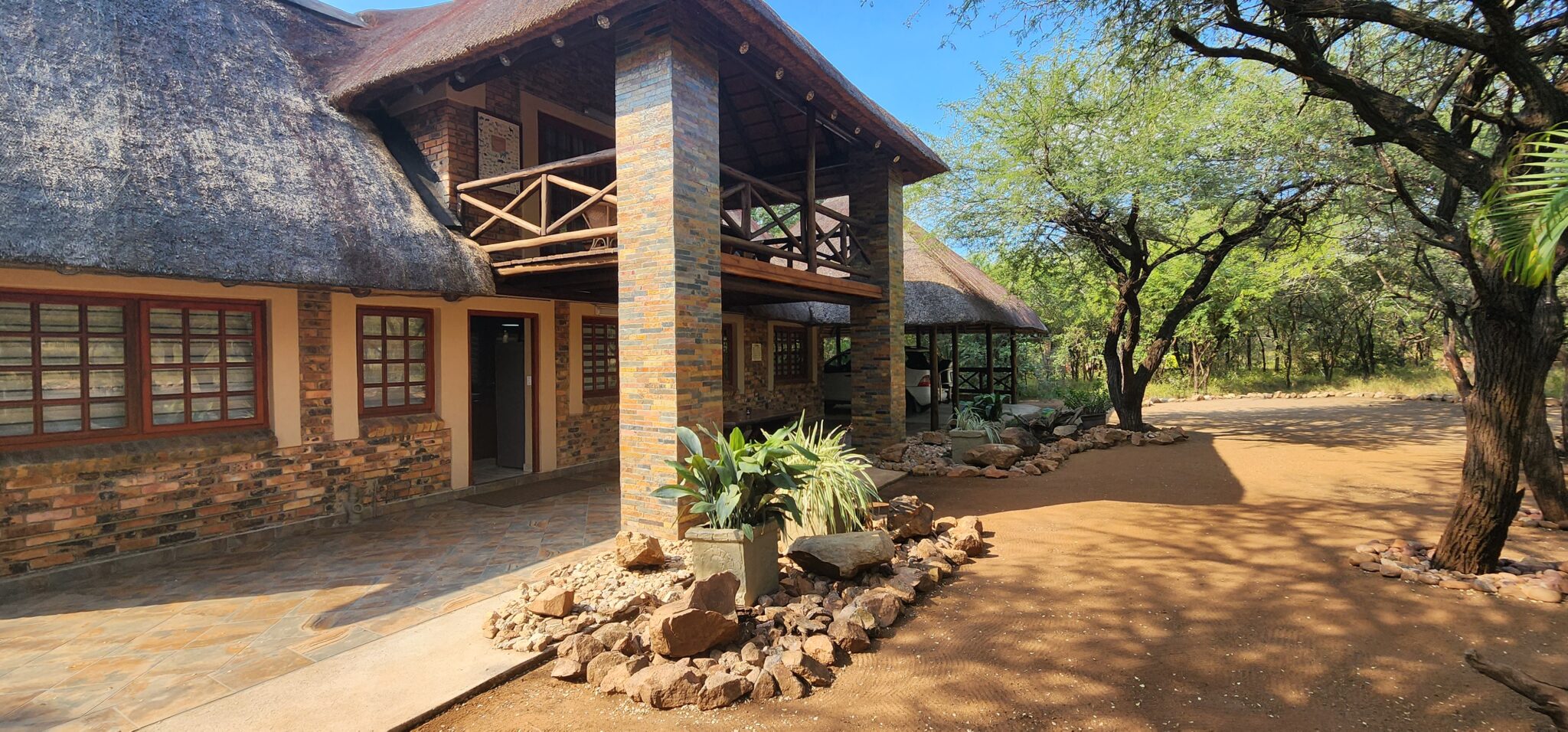
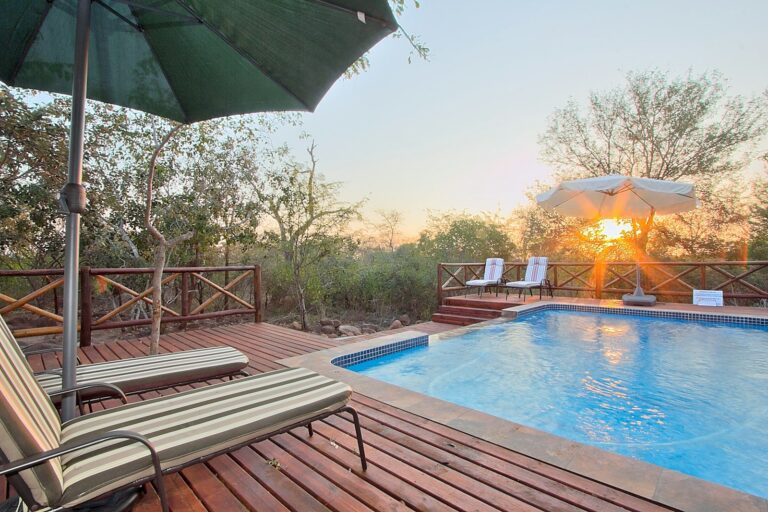
Marloth Park is popular with South African families and self-drive travellers who want a Kruger holiday on a budget. Almost all of the accommodation is self-catering: bush houses, chalets and small lodges, many with plunge pools and viewing decks. Kruger’s Crocodile Bridge Gate is about 10 km away, so you can do day trips into the national park and return to your own braai and bush garden at night.
Because the wildlife is free-roaming and used to people, visitors are asked not to feed the animals and to drive slowly, especially at dusk.
Wildlife & Biodiversity
In the town
Plains game is everywhere: giraffe, plains zebra, blue wildebeest, kudu, impala, nyala, warthog and duiker regularly visit gardens. Bushbabies, genets and porcupines come out at night, and banded mongooses are common.
Across the river
The Crocodile River frontage gives views into Kruger, where elephant, buffalo, hippo, crocodile and, with luck, lion and leopard are seen from the riverbank. Lionspruit is home to buffalo, rhino and a few lion, so it is visited by vehicle only.
Birds
The riverine bush and gardens attract more than 250 bird species, including the African fish eagle, giant kingfisher, purple-crested turaco, white-fronted bee-eater and several hornbills.
Best Time to Visit
Short answer: May to September for cool, dry days and easy game viewing in Kruger. Marloth Park itself works all year.
| Months | Season | What to expect |
|---|---|---|
| Apr – May | Autumn | Warm days, cooling nights. The bush is still green but starting to thin. |
| Jun – Aug | Dry winter | Mild, sunny days and cold nights. The best time for game drives into Kruger. |
| Sep – Oct | Late dry season | Hot and dry. Animals gather at the river, which is good for viewing from the decks. |
| Nov – Mar | Wet summer | Hot and humid, with afternoon storms. Lush bush, newborn animals and migrant birds. |
Marloth Park is in a malaria area. Ask your doctor about prophylaxis, especially from November to April.
Getting There
By air
| Airport | Best for | Notes |
|---|---|---|
| Kruger Mpumalanga International (MQP) | Fly-in visitors | About 90 minutes by road via the N4 and Malelane. |
| O.R. Tambo International (JNB), Johannesburg | Long-haul arrivals and self-drive | About 4.5 to 5 hours by road via the N4. |
By road
From Johannesburg or Pretoria, take the N4 east past Mbombela and Malelane to the Marloth Park turn-off near Hectorspruit, then cross the Crocodile River bridge into town. The N4 is tarred and tolled; roads inside Marloth Park are gravel. For Kruger day trips, Crocodile Bridge Gate is about 10 km east of town.
Entrance & Fees
Marloth Park is a residential holiday town and does not charge an entrance fee. You pay only for your accommodation.
Day trips into Kruger National Park are charged separately at the Kruger gates. SANParks publishes current daily conservation fees on its website.
Fees last checked October 2026 against the SANParks tariffs page.