Where to stay in Mara Triangle
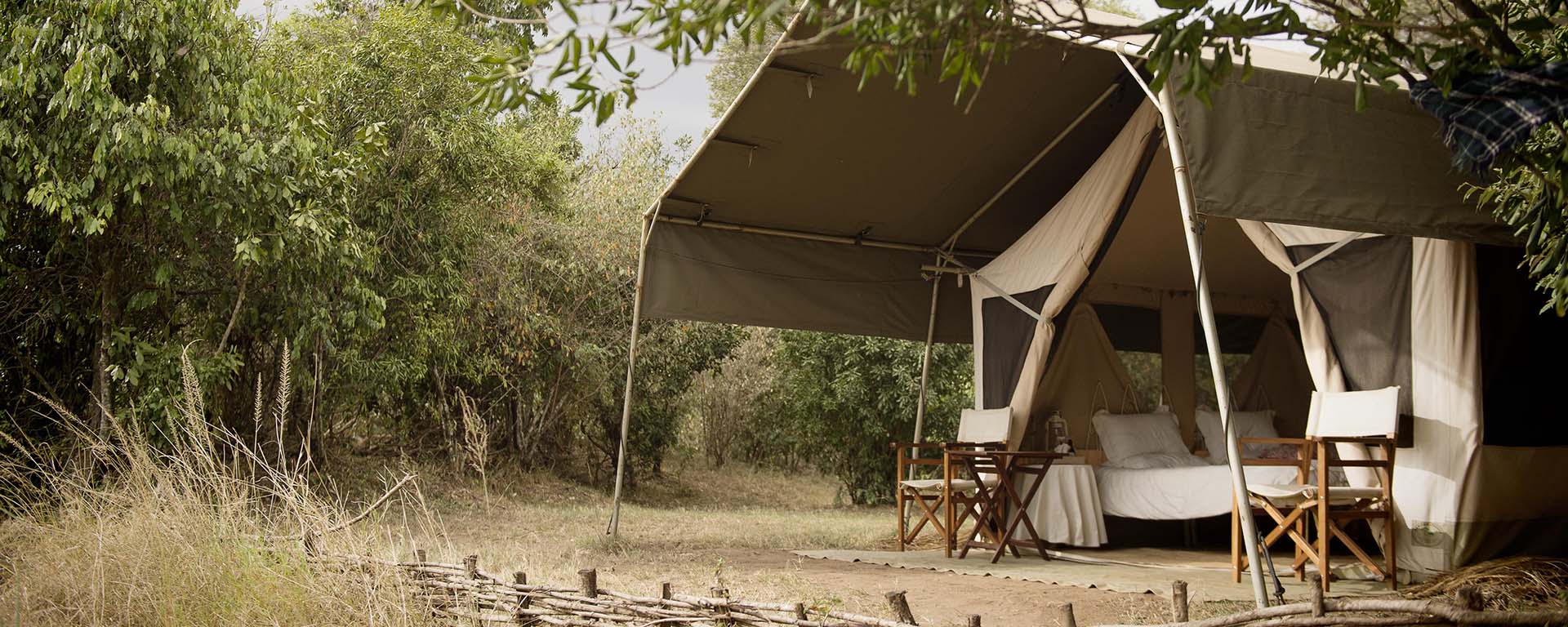
Showing 1–12 of 32 glamping camps and lodges in and around the park.

Serian Nkorombo Camp

Mara Ngenche Safari Camp

Rekero Camp

Governors’ Camp

Naibor Luxury Camp
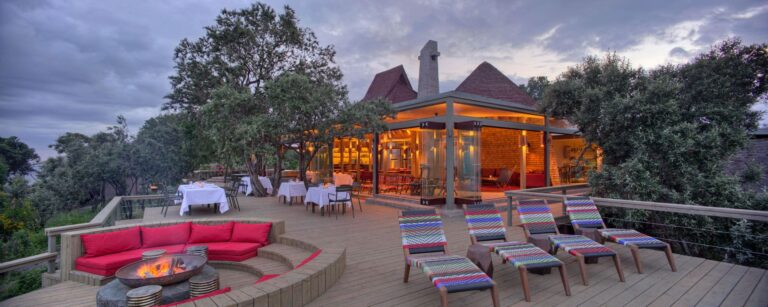
Angama Mara

Mara Explorer
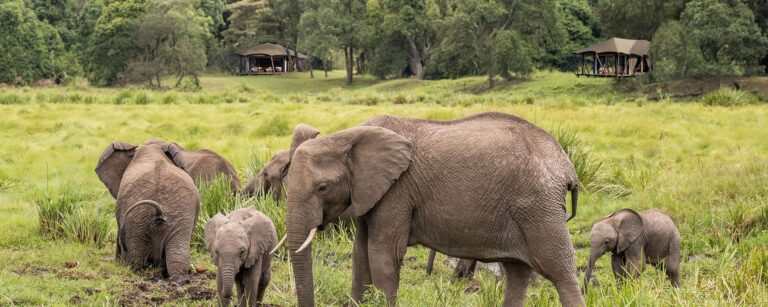
Wilderness Mara

Ishara Mara
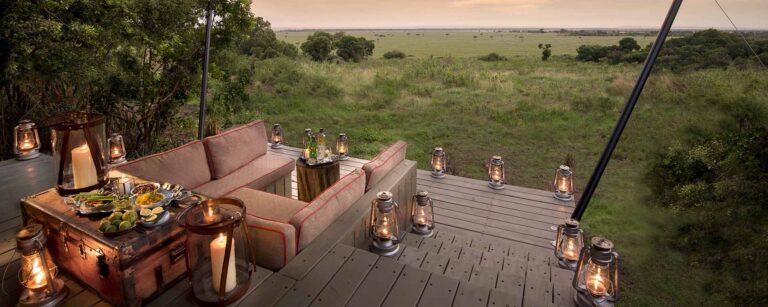
andBeyond Bateleur Camp

Kichwa Tembo Tented Camp
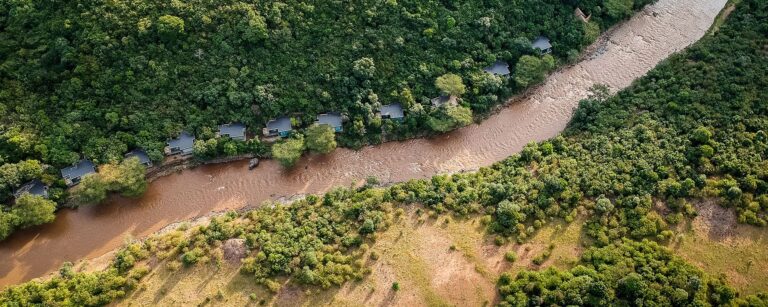
Sanctuary Olonana
Mara Triangle guide
Overview
The Mara Triangle is the western section of the Maasai Mara National Reserve in south-western Kenya. It covers about 510 km² between the Mara River, the Oloololo (Siria) Escarpment and the Tanzanian border, where it meets the Serengeti. Since 2001 it has been run by the Mara Conservancy, a non-profit organisation, on behalf of Narok County.
The Triangle is made up of open, rolling grassland, acacia woodland and the forests along the Mara River. Its roads are well maintained, ranger patrols are strong, and there are fewer vehicles here than in the eastern part of the reserve.
It’s one of the best places to watch the Great Migration. Between about July and October, herds of wildebeest and zebra cross the Mara River at several points along its eastern edge. The rest of the year, its resident wildlife makes for excellent game drives, and hot-air balloon flights take off at dawn.
Wildlife & Biodiversity
The Great Migration
Huge herds of wildebeest and zebra arrive from the Serengeti from around July. They cross the Mara River back and forth until about October, often under the eyes of large crocodiles.
Predators
The Triangle has high densities of lion, as well as leopard, cheetah and spotted hyena.
Other wildlife
Elephant, buffalo, giraffe, topi, hippo and a few black rhino also live here, and the area is good for birds of prey.
Best Time to Visit
Short answer: July to October for the migration; January to March for dry weather and fewer visitors.
| Months | Season | What to expect |
|---|---|---|
| Jul – Oct | Dry season, migration | River crossings and big herds. The busiest time. |
| Nov – Dec | Short rains | Green and quieter, with good resident wildlife. |
| Jan – Mar | Short dry season | Warm and dry. Fewer visitors. |
| Apr – Jun | Long rains | Wet and lush. Some roads can get muddy. |
River crossings can't be predicted, so allow a few days in the Triangle if you want to see one.
Getting There
By air
| Airport | Best for | Notes |
|---|---|---|
| Jomo Kenyatta International (NBO), Nairobi | Most international visitors | Kenya’s main gateway. Domestic and charter flights leave from Wilson Airport. |
| Wilson Airport (WIL), Nairobi | Scheduled bush flights | Scheduled flights to the Kichwa Tembo and Serena airstrips. |
By road
From Nairobi, the drive via Narok takes about 5 to 6 hours to the Oloololo gate. Most visitors fly in instead.
Entrance & Fees
The Mara Conservancy charges a conservation fee per person, which buys a 12-hour ticket valid from 6am to 6pm. The fee rises in the peak season. Payment is cashless.
| Visitor | Jan – Jun | Jul – Dec |
|---|---|---|
| Non-resident adult | US$100 | US$200 |
| Non-resident child (9–17) | US$50 | US$50 |
| East African resident | KSh 2,500 | KSh 5,000 |
| Kenyan citizen | KSh 1,500 | KSh 3,000 |
These are the 2026 rates. Confirm the current fees on the Mara Conservancy website or with your lodge, which usually arranges payment.
Fees last checked October 2026 against the Mara Conservancy conservation fees page.
