
Where to stay in Lake Manyara National Park
Showing 13–17 of 17 glamping camps and lodges in and around the park.


Lake Manyara National Park guide
Overview
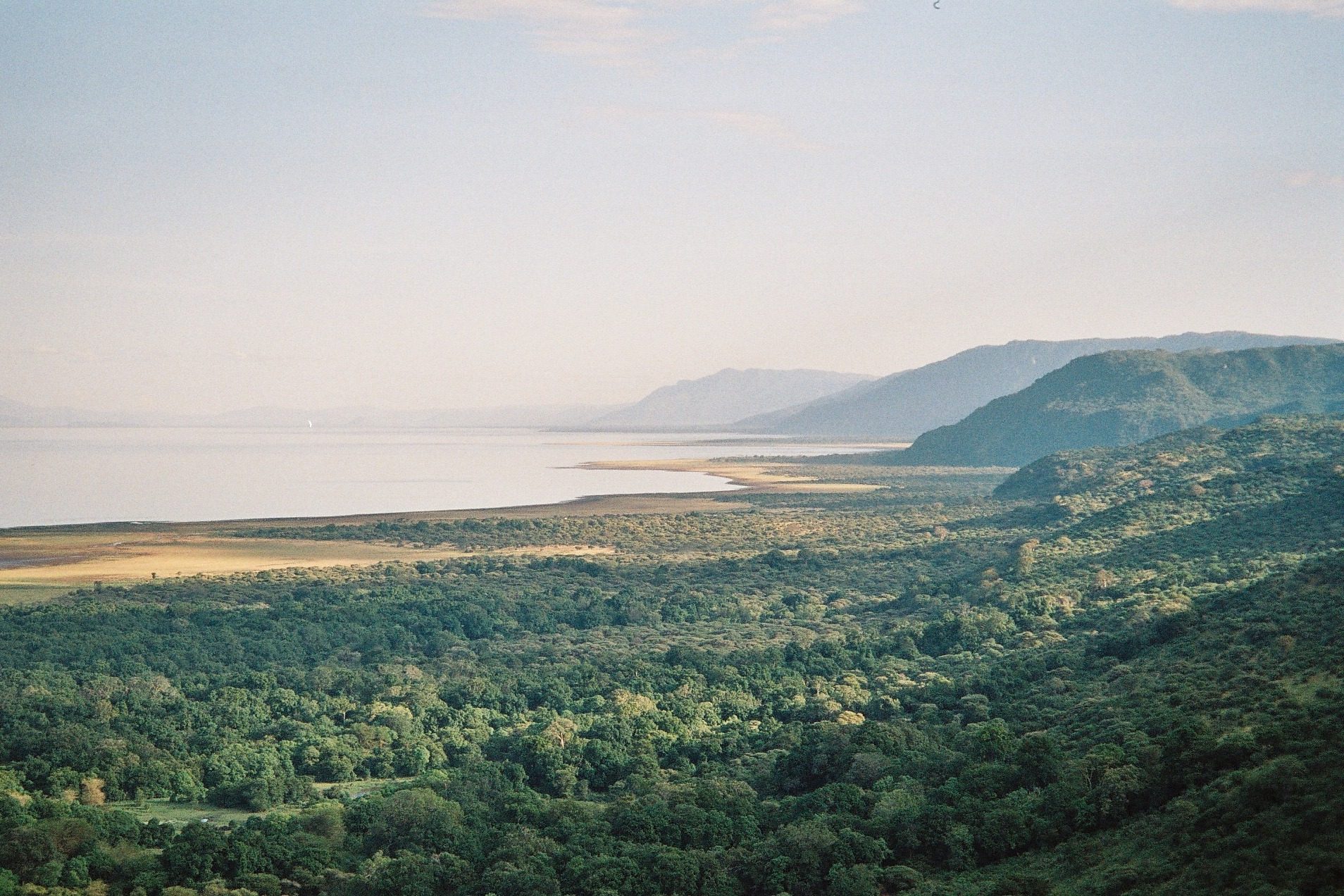
Lake Manyara National Park lies at the foot of the Great Rift Valley escarpment in northern Tanzania, about two hours’ drive from Arusha. It was established in 1960 and, according to Tanzania National Parks, covers about 648.7 km², a large part of it the shallow, alkaline Lake Manyara. It is also part of the Lake Manyara Biosphere Reserve, recognised by UNESCO in 1981.
The park packs a lot into a small area. You enter through a lush groundwater forest of fig and mahogany trees fed by springs from the escarpment, then come out onto open floodplains, acacia woodland and the lake shore, with hot springs at Maji Moto in the south.
It is often visited for half a day or a full day on the way to Ngorongoro and the Serengeti, or combined with Tarangire. Activities include game drives, canoeing on the lake when the water level allows, a treetop walkway and night drives.
Wildlife & Biodiversity
Mammals
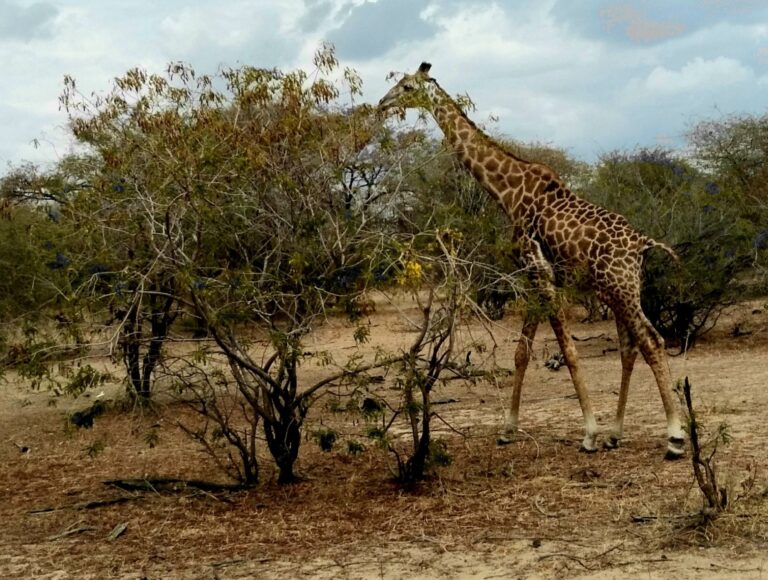
Manyara is known for its lions, which sometimes rest in trees. Elephant, buffalo, giraffe, zebra, wildebeest, hippo and large troops of olive baboons are common, and blue monkeys live in the forest.
Birds
More than 400 bird species have been recorded. Flamingos and pelicans gather on the lake when conditions are right, and the forest and woodland hold hornbills, crowned eagles and many others.
Best Time to Visit
Short answer: June to October for general game viewing; November to June for birds and a green landscape.
| Months | Season | What to expect |
|---|---|---|
| Jun – Oct | Dry season | Easy game viewing, with animals near water. |
| Nov – Dec | Short rains | Green and fresh, with migrant birds. |
| Jan – Mar | Warm, drier spell | Good birding and fewer vehicles. |
| Apr – May | Long rains | Heavy rain. Some tracks may be muddy. |
Lake Manyara is a malaria area. Take advice on prophylaxis.
Getting There
By air
| Airport | Best for | Notes |
|---|---|---|
| Kilimanjaro International (JRO) | Northern Tanzania safaris | About 2.5 hours by road. |
| Lake Manyara airstrip | Scheduled and charter flights | Flights from Arusha and the Serengeti land on the escarpment above the park. |
By road
From Arusha, take the tarred road west towards Makuyuni and Mto wa Mbu. The main gate is just outside Mto wa Mbu village, on the road up to Karatu and Ngorongoro.
Entrance & Fees
Tanzania National Parks charges a conservation fee per person for each 24 hours in the park, paid electronically before or at the gate. From 2026/27 the tariff is quoted in Tanzanian shillings.
| Visitor | Adult | Child (5–15) |
|---|---|---|
| Non-resident | TZS 127,750 | TZS 38,325 |
| Expatriate / resident foreigner | TZS 63,875 | TZS 19,163 |
| Tanzanian citizen | TZS 10,000 | TZS 2,000 |
The adult non-resident and expatriate rates shown are the high-season rates from 16 May 2026 to 14 March 2027. Children under five enter free. Vehicle, camping and activity fees are extra, and VAT may be added, so confirm the total when you book.
Fees last checked October 2026 against the Tanzania National Parks tariff system (2026/27).