

Where to stay in Tarangire National Park
9 hand-picked glamping camps and lodges in and around the park.

Kuro Tarangire Camp
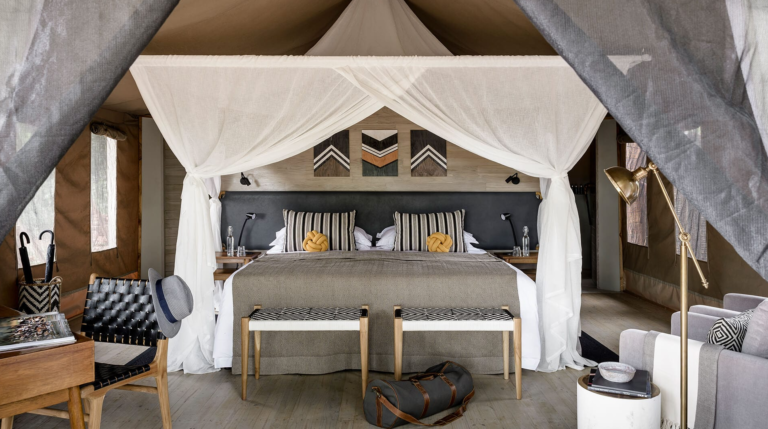
Sanctuary Swala Camp

Lemala Mpingo Ridge Lodge

Chem Chem Lodge

Nimali Tarangire

Oliver’s Camp
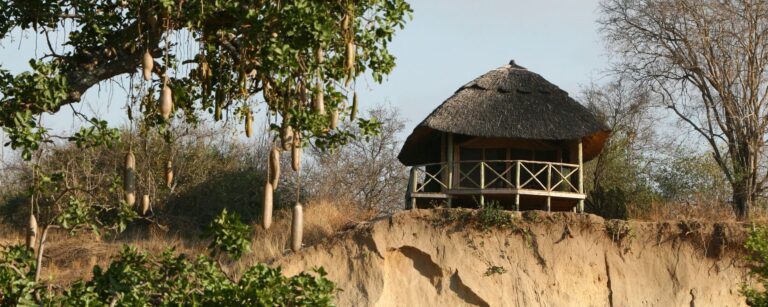
Tarangire River Camp

Tarangire Ndovu Camp

Little Chem Chem
Tarangire National Park guide
Overview
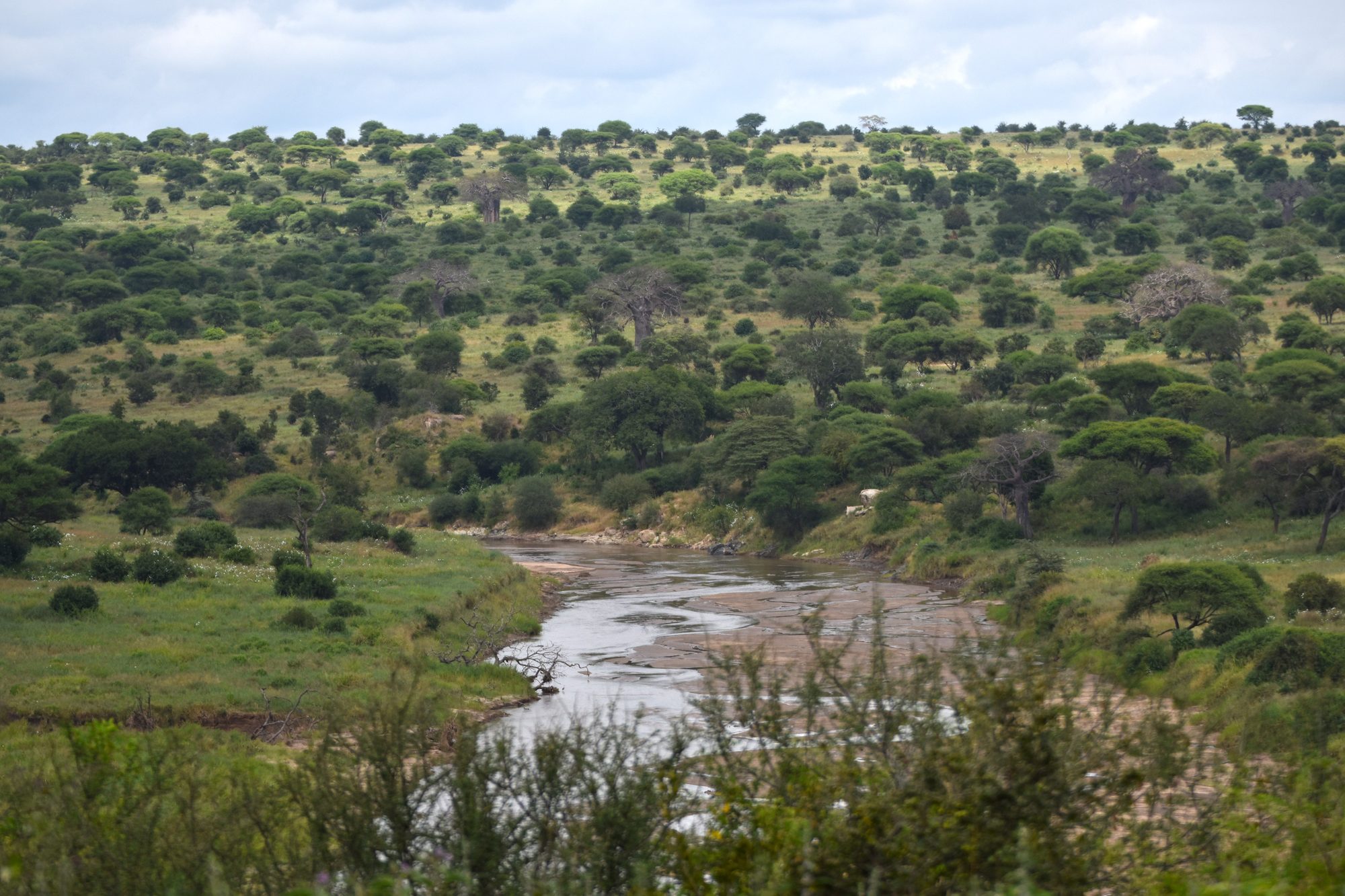
Tarangire National Park covers about 2,850 km² in northern Tanzania, roughly two hours south-west of Arusha. It was established in 1970 and takes its name from the Tarangire River, which flows through the park and is the main source of water for wildlife in the dry season.
The scenery is distinctive: open savanna and acacia woodland dotted with giant baobab trees, swamps in the south and the river valley in the north. In the dry season, animals from a much wider area move into the park to drink, and Tarangire has some of the highest concentrations of elephant in Tanzania.
Tarangire combines well with Lake Manyara, Ngorongoro and the Serengeti. Camps inside and on the edge of the park offer game drives, and some private areas next to the park also offer walking safaris and night drives.
Wildlife & Biodiversity
Mammals
Large herds of elephant are the main attraction. Lion, leopard and cheetah are present, along with buffalo, giraffe, zebra, wildebeest, eland, oryx and the gerenuk, an antelope more typical of drier country further north.
Birds
More than 500 bird species have been recorded, including yellow-collared lovebirds, ostriches and many raptors.
Best Time to Visit
Short answer: June to October, during the dry season, when wildlife crowds the Tarangire River.
| Months | Season | What to expect |
|---|---|---|
| Jun – Oct | Dry season | The peak months, with big elephant herds along the river. |
| Nov – Dec | Short rains | Animals start to disperse. Green and good for birds. |
| Jan – Mar | Wet season | Calving season and migrant birds. Fewer vehicles. |
| Apr – May | Long rains | Heavy rain. Some camps close. |
Tarangire is a malaria and tsetse fly area. Wear neutral colours and use repellent.
Getting There
By air
| Airport | Best for | Notes |
|---|---|---|
| Kilimanjaro International (JRO) | Northern Tanzania safaris | About 2.5 hours by road. |
| Kuro and Tarangire airstrips | Scheduled and charter flights | Daily flights from Arusha and the Serengeti. |
By road
From Arusha, drive west on the tarred road towards Makuyuni, then turn south towards Babati. The main gate is about 7 km off the main road.
Entrance & Fees
Tanzania National Parks charges a conservation fee per person for each 24 hours in the park, paid electronically before or at the gate. From 2026/27 the tariff is quoted in Tanzanian shillings.
| Visitor | Adult | Child (5–15) |
|---|---|---|
| Non-resident | TZS 127,750 | TZS 38,325 |
| Expatriate / resident foreigner | TZS 63,875 | TZS 19,163 |
| Tanzanian citizen | TZS 10,000 | TZS 2,000 |
The adult non-resident and expatriate rates shown are the high-season rates from 16 May 2026 to 14 March 2027. Children under five enter free. Vehicle, camping and activity fees are extra, and VAT may be added, so confirm the total when you book.
Fees last checked October 2026 against the Tanzania National Parks tariff system (2026/27).