The Golden Rule of Safari Packing
Pack light. Most bush flights have strict luggage limits, typically 15–20kg in a soft-sided bag (no hard suitcases). Even if you're driving, you don't need much. Lodges usually offer same-day laundry service, so you can rewear everything.
Key rule: Soft-sided bags only if you're taking light aircraft transfers. Hard-shell suitcases won't fit in the hold of a Cessna. A duffel bag or backpack is ideal.
Clothing
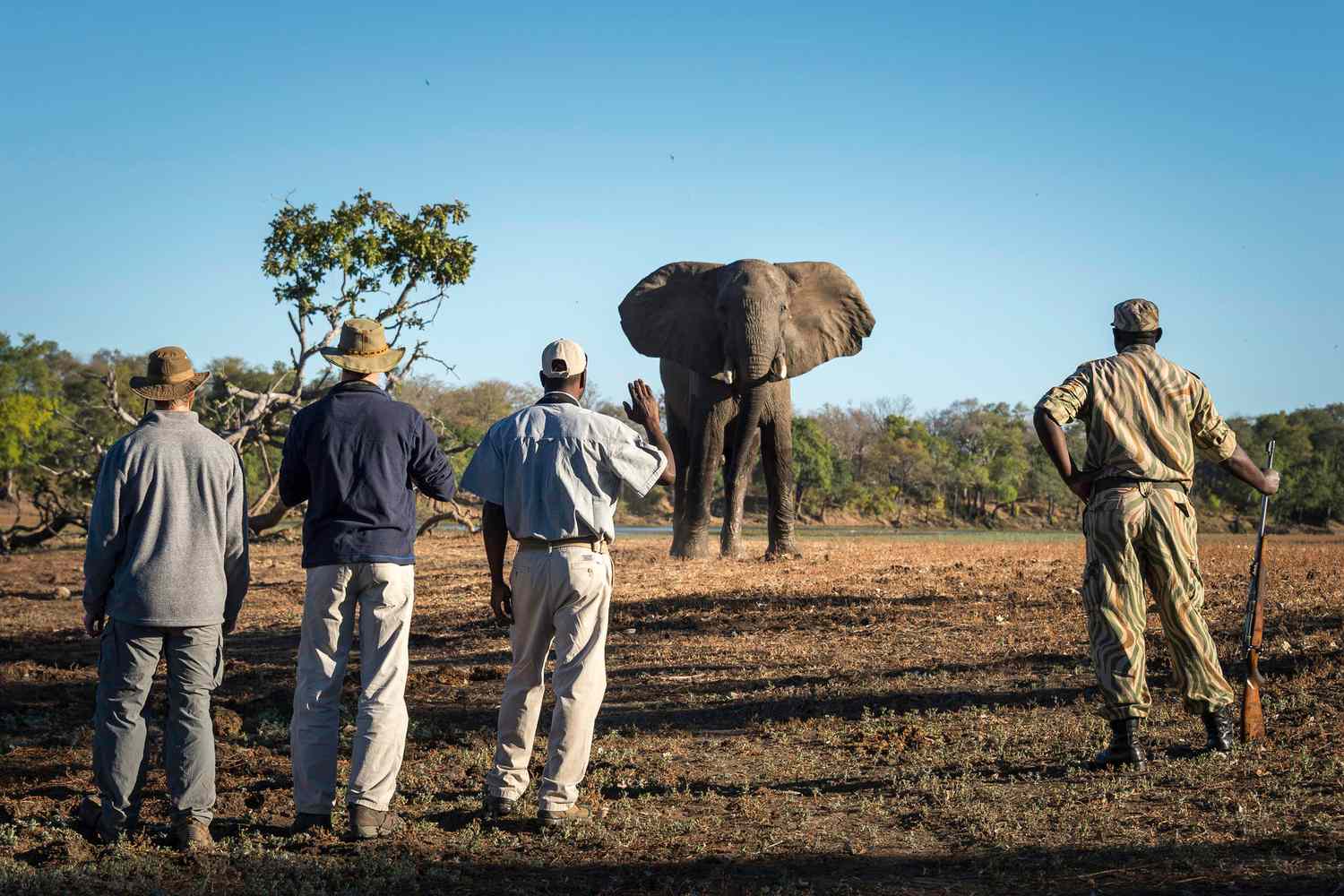
Safari dressing is practical, not fashionable. You're going for comfort, sun protection, and blending in with the environment.
Colours: Stick to neutral, earth tones: khaki, olive, tan, brown, grey, sage. Avoid white (gets filthy on dusty roads), black (attracts heat and tsetse flies), bright colours (can startle animals), and camouflage patterns (associated with military in several African countries).
What to pack:
- 3–4 lightweight long-sleeve shirts (sun and mosquito protection)
- 2–3 pairs of comfortable trousers or convertible pants
- 1 pair of shorts for lounging at camp
- 5–6 sets of underwear and socks
- 1 light fleece or softshell jacket (mornings are cold, even in Africa)
- 1 warmer layer for winter safaris (June–August)
- 1 rain jacket — lightweight and packable
- 1 wide-brimmed hat
- 1 buff or scarf for dust protection
- Swimwear (most lodges have pools)
- 1 casual outfit for evening dinners (smart casual, nothing formal)
Footwear:
- Comfortable closed-toe walking shoes or light hiking boots
- Sandals or flip-flops for around camp
- That's it. Two pairs of shoes is enough.
The Must-Haves
Binoculars: the single most important item after your passport. Even a budget pair transforms the experience. You'll spot birds, distant predators, and details you'd miss with the naked eye. 8×42 or 10×42 are the best all-round specifications.
Camera: whatever you're comfortable with. A DSLR or mirrorless with a 100–400mm zoom lens is ideal, but modern smartphones take excellent safari photos too. Bring extra memory cards and batteries.
Sunscreen: SPF 50+. Reapply frequently. The African sun is deceptively strong, especially at altitude or on water.
Insect repellent: DEET-based repellent (30–50%) for mosquitoes. Apply to exposed skin at dusk and dawn. Some lodges provide repellent, but bring your own to be safe.
Sunglasses: polarised lenses are best for reducing glare off water and roads.
Headlamp or small torch: essential for navigating between your tent and the main lodge at night. Most camps provide these, but having your own is handy.
Health & Medical
- Prescription medications (enough for your trip plus spare)
- Malaria prophylaxis if visiting a malaria area (consult your doctor)
- Basic first-aid: plasters, antihistamines, anti-diarrhoea tablets, rehydration sachets
- Hand sanitiser
- Any personal medications or supplements
Tip: Pack medications in your carry-on, not your checked bag. If your luggage is delayed, you'll still have what you need.
Electronics & Gadgets
- Camera + charger + spare batteries + memory cards
- Phone + charger
- Universal power adapter (South Africa uses Type M; East Africa uses Type G)
- Portable power bank, essential if you're on mobile safari or bush flights
- Binoculars
Leave behind: Drones are prohibited in most national parks and reserves. Hair dryers and straighteners are usually provided by lodges and draw too much power from solar systems at bush camps.
What Most People Forget
- A warm layer. African mornings are genuinely cold, especially in open vehicles. June–August temperatures can drop to 5°C at dawn.
- Lip balm with SPF. Dry air and sun will crack your lips within days.
- A dust-proof bag for your camera when not in use.
- Cash for tips. Local currency is preferred, but USD is accepted almost everywhere. Budget $10–$20/person/day for guide and camp staff tips.
- A good book. Midday downtime at camp is the perfect time to read.
- Ziplock bags. For protecting electronics from dust, separating dirty laundry, and a dozen other uses.
What to Leave at Home
- Expensive jewellery
- High heels or formal shoes
- More than one pair of jeans (too heavy, too hot)
- Hair dryer (lodges provide them)
- Hard-shell suitcase (won't fit on bush flights)
- Bright or white clothing
- Anything you'd be devastated to lose