
What Is a Safari, Really?
A safari isn't a theme park with animals. It's a journey into wild Africa where the animals live on their own terms and you're the visitor. The word “safari” is Swahili for “journey,” and that's exactly what it is: an immersive experience in some of the most pristine wilderness left on Earth.
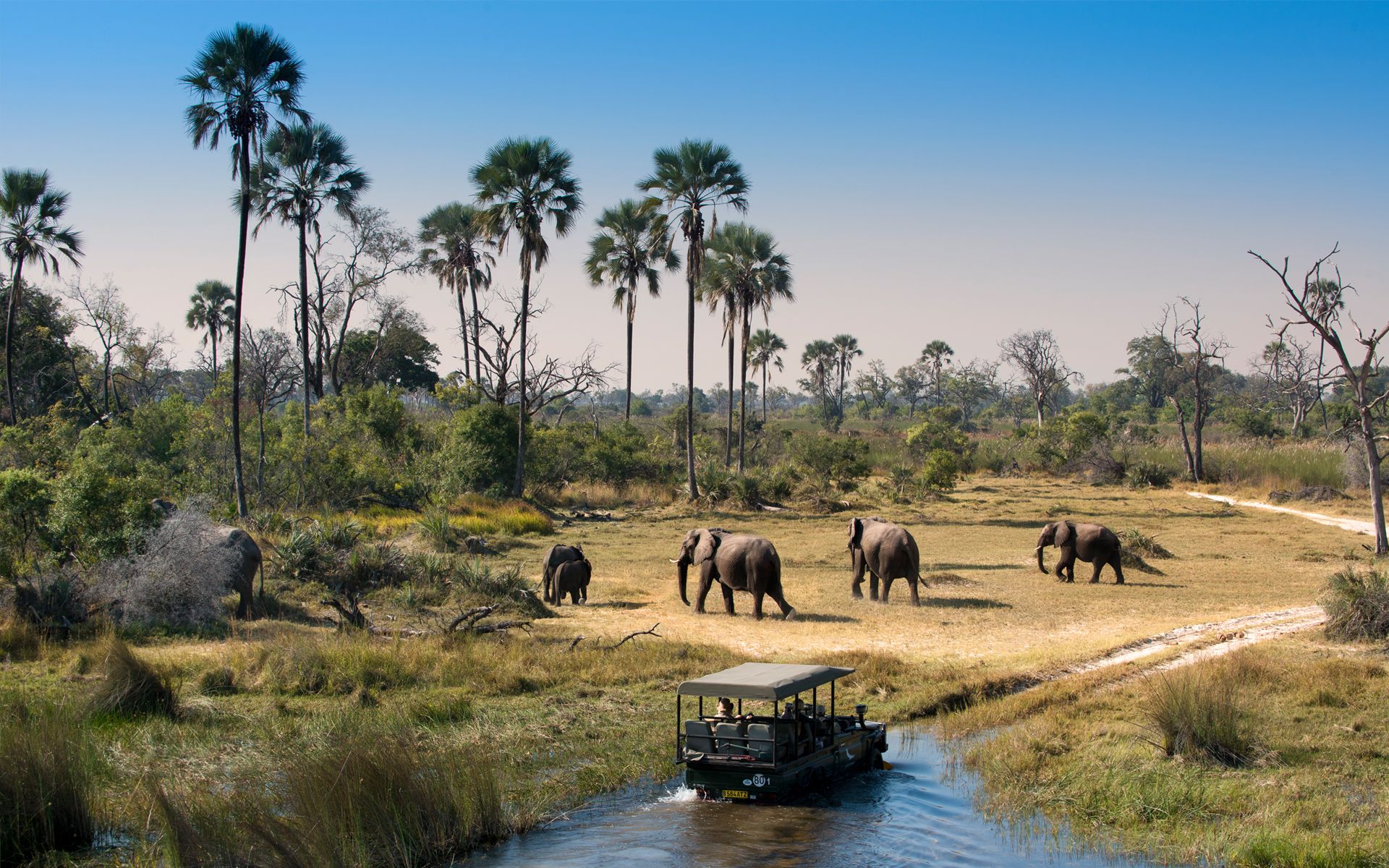
On a typical glamping safari, you'll stay in luxury tented camps or lodges situated inside or adjacent to national parks and private game reserves. Twice a day, early morning and late afternoon, you'll head out on game drives with an experienced guide, searching for wildlife in open 4×4 vehicles.
Between drives, you'll relax at camp, swim, nap, eat extraordinary food, and soak in the silence of the bush.
Choosing Your First Destination
If this is your first safari, you can't go wrong with these three options:
South Africa is the most accessible and affordable entry point. Excellent infrastructure, English-speaking, malaria-free options in many areas, and world-class wildlife viewing in the Greater Kruger region. It's the destination that converts first-timers into lifelong safari lovers.
Tanzania offers the most iconic landscape: the Serengeti's endless plains and the Ngorongoro Crater. If you've seen safari imagery in documentaries, chances are it was filmed here. The Great Migration passes through from June to October.
Kenya is the classic safari destination, with the Masai Mara delivering some of the most reliable big cat sightings in Africa. Combine it with a beach stay on the coast for the perfect two-week trip.
Our recommendation for first-timers: Start with South Africa. The value is exceptional, the logistics are simple, and you'll see incredible wildlife without the complexity of visas, charter flights, and malaria concerns that come with some East African destinations.
What Happens on a Game Drive?
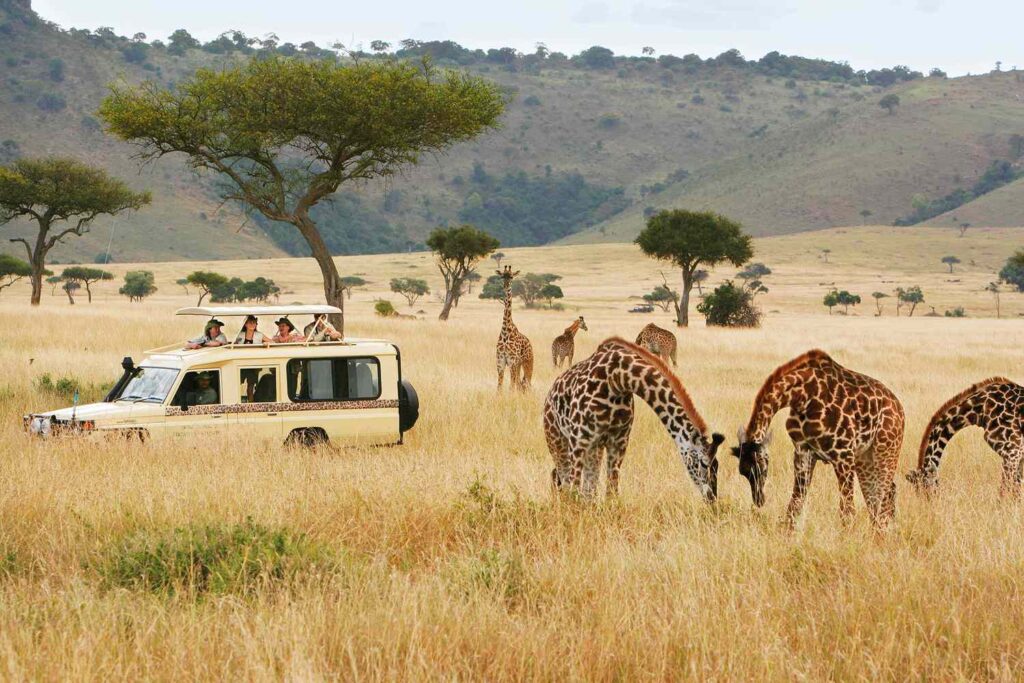
Game drives are the heart of the safari experience. Here's what a typical day looks like:
Morning drive (5:30–6:00 AM start): You'll wake before dawn. Your guide will knock on your tent with coffee and rusks. The early start is worth it: animals are most active in the cool morning hours, and the light is magical for photography. Drives last 3–4 hours, with a stop for coffee and snacks in the bush.
Midday: Return to camp for brunch, then relax. Most animals rest during the heat of the day, and so should you. Swim, read, sleep, or enjoy a spa treatment if your lodge offers one.
Afternoon drive (3:30–4:00 PM start): Head out again as the heat breaks. The afternoon drive runs through sunset and into the early evening, when nocturnal animals begin to emerge. Many lodges serve sundowner drinks at a scenic spot as the sun sets.
Dinner: Back at camp for a multi-course dinner, often served under the stars in a boma (an open-air enclosure) or around a campfire.
The Big Five (and Beyond)
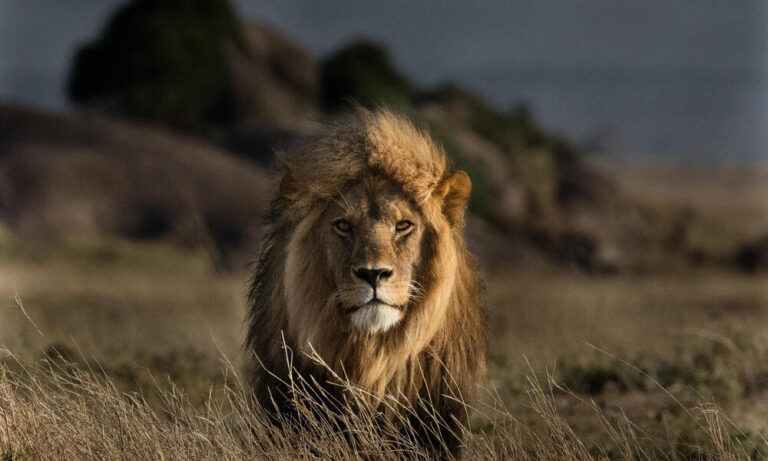
The “Big Five”, lion, leopard, elephant, rhino, and buffalo, were originally named by hunters as the five most dangerous animals to hunt on foot. Today, they're the most sought-after sightings on safari.
But don't get tunnel vision. Some of the most memorable safari moments involve smaller, less famous animals: a pack of wild dogs on a hunt, a honey badger trundling through camp at night, a chameleon changing colour on a branch, or a fish eagle calling across a river at dawn.
Realistic expectations: On a 3-night stay in a good reserve, you'll likely see 4 of the Big Five. Leopards and rhinos are the trickiest — they're elusive by nature. A week gives you an excellent chance of seeing all five, plus dozens of other species.
Safari Etiquette
A few unwritten rules that will make your experience better:
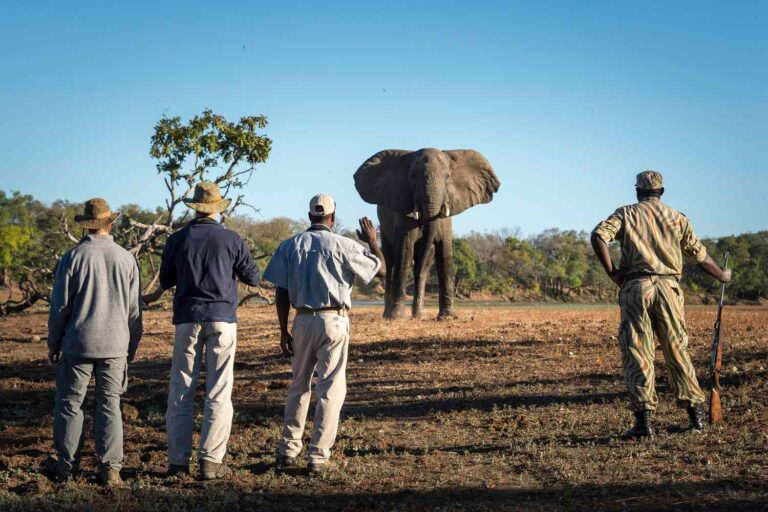
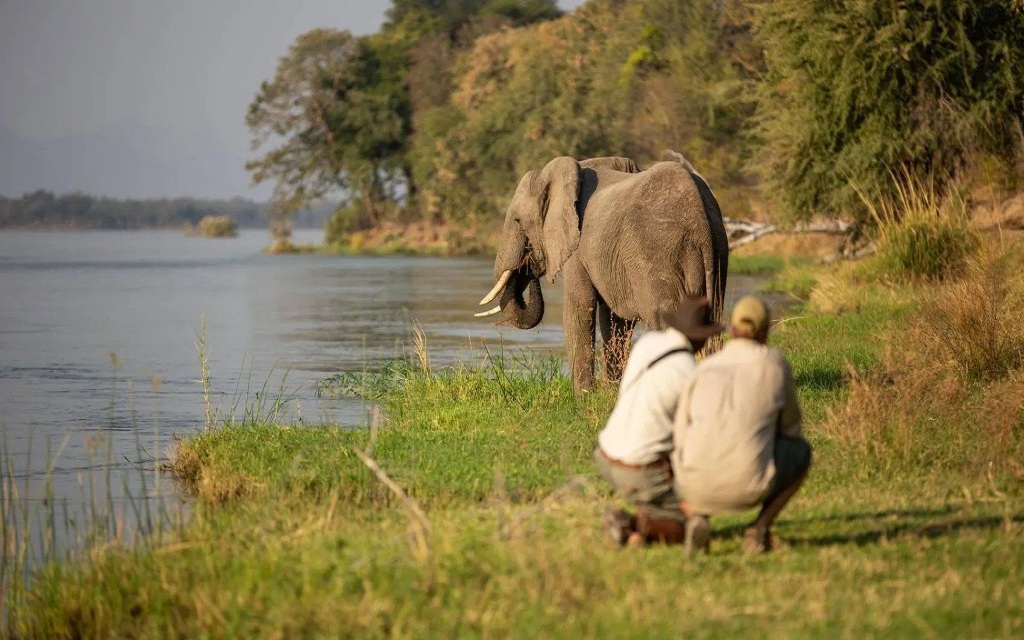
In the vehicle: Keep your voice low when near animals. Don't stand up suddenly or wave your arms. Never try to touch an animal. Follow your guide's instructions at all times; they know when it's safe and when it's not.
With your guide: Guides are the heart of any safari. Tip them well, ask questions, and tell them what you'd like to see. A good guide will tailor the experience to your interests, whether that's birds, big cats, or botany.
At camp: Most camps are unfenced, meaning wildlife can walk through at any time. This is part of the magic, but it means you should always be escorted after dark. Never walk to your tent alone at night, wait for a staff member to accompany you.
Clothing: Wear neutral, muted colours on game drives: khaki, olive, brown, tan. Avoid white (gets dirty and spooks animals), black (attracts tsetse flies in some regions), and bright colours. No camouflage patterns, they're associated with military in some African countries and can cause issues at airports.
How Much Does a First Safari Cost?
Safari pricing varies enormously, but here's a rough guide:
Budget (self-drive, self-catering): $50–$100/person/night. You drive yourself through national parks like Kruger and stay in rest camps. Basic but unforgettable.
Mid-range (guided, meals included): $200–$500/person/night. Comfortable lodges or tented camps with professional guides, meals, and game drives. The sweet spot for most first-timers.
Luxury (all-inclusive): $500–$2,000+/person/night. Private reserves, exclusive-use vehicles, gourmet dining, and the kind of service where they remember your drink order from the first evening. Worth every cent for a special occasion.
Budget tip: South Africa and Zimbabwe offer the best value. Botswana and Rwanda are at the premium end. Shoulder season (April–May and October–November) often means lower rates and fewer crowds.
How Long Should Your First Safari Be?
The minimum for a satisfying experience is 3 nights at one location. This gives you 6 game drives and a real chance to settle into the rhythm of the bush.
Our recommended first safari: 4–5 nights at one or two camps. This gives you enough time to see a wide range of wildlife without feeling rushed, plus a rest day in the middle.
If you're flying to East Africa, consider combining 4 nights of safari with 3–4 nights on the coast (Zanzibar, Diani Beach, or Mozambique‘s islands) for the ultimate first trip.
Common First-Timer Worries (Answered)
“Is it safe?” Yes. Professional safari camps maintain rigorous safety standards. Your biggest risk is sunburn, not wildlife. Millions of people go on safari every year without incident.
“Will I get bored?” Unlikely. The bush has a way of captivating people who thought they'd be bored. Even “quiet” drives reveal incredible things when you learn to look closely.
“I'm not fit — can I do this?” Absolutely. Game drives involve sitting in a vehicle. No hiking required unless you choose a walking safari. Camps accommodate all ages and mobility levels.
“What about kids?” Many camps welcome children from age 6+, and some have dedicated family programmes. South Africa is the best destination for families, with malaria-free options and flexible scheduling.
“Do I need special gear?” Not really. A good pair of binoculars and a camera are the main extras. Everything else is normal travel clothing in neutral colours. See our packing list for the full breakdown.