The Short Answer
There is no single “best time”; it depends on what you want to see, where you want to go, and what matters most to you. Every month in Africa offers something extraordinary somewhere on the continent.
That said, here are the broad strokes:
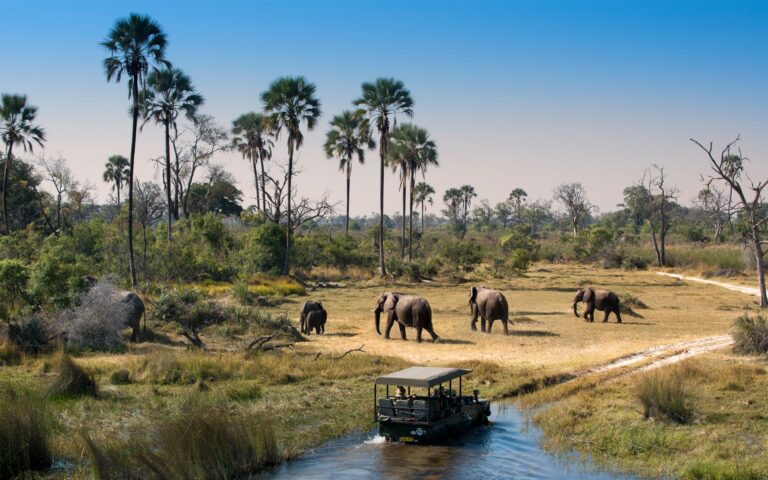
- Best for wildlife viewing: June–October (dry season across most of southern and East Africa)
- Best for green season beauty: November–March (lush landscapes, newborn animals, migrant birds)
- Best for value: April–May and November (shoulder seasons with lower rates and fewer crowds)
- Best for the Great Migration: July–October in Kenya's Masai Mara; January–March in Tanzania's southern Serengeti
South Africa
Peak season (June–September): Dry winter. The best time for wildlife in Kruger and the private reserves. Vegetation is thin, animals congregate at water sources, and sightings are frequent. Days are warm (20–25°C) but mornings and evenings are cold, so pack warm layers. This is also peak season for rates and availability.
Green season (November–March): Hot, humid, with afternoon thunderstorms. Landscapes are lush and green, making for stunning photography. Newborn impala, wildebeest, and other antelope draw predators. Excellent birding with migrant species. Lower rates and fewer vehicles on game drives.
Shoulder months (April–May, October): Often the sweet spot. Good weather, reasonable wildlife viewing, fewer crowds, and competitive pricing. October can be spectacular as the first rains arrive and the bush transforms overnight.
Cape Town and the Western Cape operate on the opposite season — visit November to March for warm, dry weather.
Botswana
Peak season (July–October): The Okavango Delta floods peak between July and September, creating a water wonderland perfect for mokoro trips, boat safaris, and extraordinary wildlife concentrations. This is when Botswana is at its most magical, and most expensive.
Green season (November–March): The Kalahari transforms into a garden of wildflowers. Zebra and wildebeest migration through the Makgadikgadi Pans. Excellent birding. Rates drop significantly, and the experience is raw and intimate.
Shoulder (April–June): The flood waters begin to rise in the Delta. Good game viewing on land as water sources shrink. A quieter, more affordable window to visit.
Tanzania
Peak season (July–October): Dry season across the northern circuit: Serengeti, Ngorongoro, Tarangire. The Great Migration crosses the Mara River in the Serengeti from July onwards, with dramatic river crossings that rank among nature's greatest spectacles.
Calving season (January–March): The wildebeest calve in the southern Serengeti: hundreds of thousands of newborns in a matter of weeks. Predator activity is intense. Fewer tourists than peak season.
Shoulder (November): Short rains begin, but game viewing remains excellent. Lower rates and thinner crowds before the holiday season.
Zanzibar: Best from June to October and December to February. Avoid the long rains in April–May.
Kenya
Peak season (July–October): The Great Migration arrives in the Masai Mara, with river crossings and vast herds. This is Kenya's busiest safari season and for good reason: the Mara in migration season is one of the greatest wildlife spectacles on Earth.
January–February: Excellent game viewing across the country. Warm and dry. A great alternative to the peak season crowds.
Green season (April–May): Long rains. Some camps close, but those that stay open offer dramatic landscapes and rock-bottom rates. Amboseli with its elephant herds and Kilimanjaro backdrop is beautiful year-round.
Namibia
Peak season (July–October): Dry and cool. Etosha's waterholes become magnets for wildlife. The desert landscapes are stark and dramatic. Cool, comfortable temperatures.
Green season (January–April): The Namib Desert can bloom after rains. Sossusvlei's dunes contrast against green vegetation. The Skeleton Coast is eerie and beautiful. Fewer visitors.
Year-round: Namibia's desert landscapes — Sossusvlei, Deadvlei, the Skeleton Coast — are spectacular in any season.
Mozambique
Best time (May–November): Dry season with warm temperatures, clear water, and excellent visibility for diving and snorkelling. Whale sharks visit from October to March. Humpback whales pass through from June to November.
Avoid: January–March can bring cyclone risk to coastal areas.
Zambia
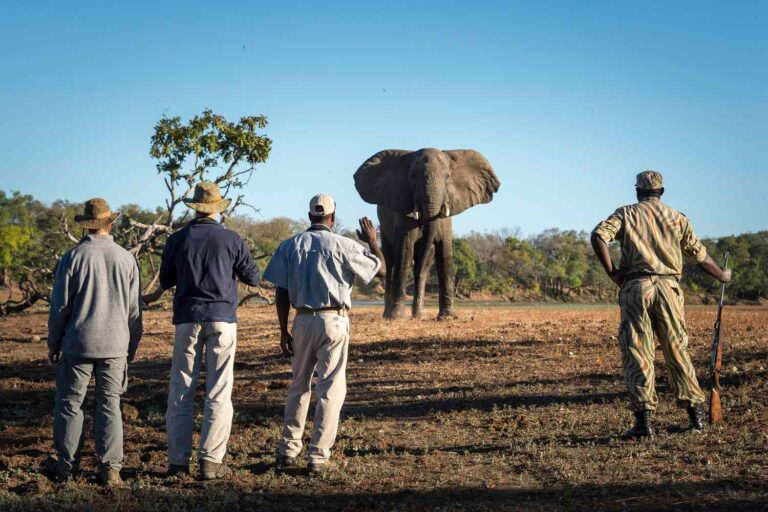
Peak season (July–October): Dry season and the best time for South Luangwa and Lower Zambezi safaris. Walking safaris are at their best. Victoria Falls flows at its fullest from February to May.
Emerald season (November–March): Lush and green with excellent birding. Some camps close due to flooding, but those that remain open offer exceptional value.
Zimbabwe
Peak season (July–October): Dry season. Hwange's waterholes attract huge elephant herds. Mana Pools on the Zambezi is at its best — one of Africa's most exclusive walking safari destinations.
Victoria Falls: Most dramatic from February to May when the Zambezi is in full flood. September–December offers better views of the gorge as spray reduces.
Month-by-Month Quick Reference
| Country | Jan | Feb | Mar | Apr | May | Jun | Jul | Aug | Sep | Oct | Nov | Dec |
|---|---|---|---|---|---|---|---|---|---|---|---|---|
| South Africa | 🌿 | 🌿 | 🌿 | ⚡ | ⚡ | ★ | ★ | ★ | ★ | ⚡ | 🌿 | 🌿 |
| Botswana | 🌿 | 🌿 | 🌿 | ⚡ | ⚡ | ⚡ | ★ | ★ | ★ | ★ | 🌿 | 🌿 |
| Tanzania | 🦁 | 🦁 | 🦁 | 🌿 | 🌿 | ★ | 🦁 | ★ | ★ | ★ | ⚡ | ⚡ |
| Kenya | ★ | ★ | ⚡ | 🌿 | 🌿 | ⚡ | 🦁 | 🦁 | 🦁 | 🦁 | 🌿 | ⚡ |
| Namibia | 🌿 | 🌿 | 🌿 | ⚡ | ★ | ★ | ★ | ★ | ★ | ★ | ⚡ | 🌿 |
| Mozambique | 🌿 | 🌿 | 🌿 | ⚡ | ★ | ★ | ★ | ★ | ★ | ★ | ★ | ⚡ |
| Zambia | 🌿 | 🌿 | 🌿 | ⚡ | ⚡ | ★ | ★ | ★ | ★ | ★ | 🌿 | 🌿 |
| Zimbabwe | 🌿 | 🌿 | 🌿 | ⚡ | ⚡ | ★ | ★ | ★ | ★ | ★ | ⚡ | 🌿 |
💡 Tip: Hover over any cell to see what makes that month special. Shoulder seasons often offer the best balance of weather, wildlife, and value.