
Where to stay in Meru National Park
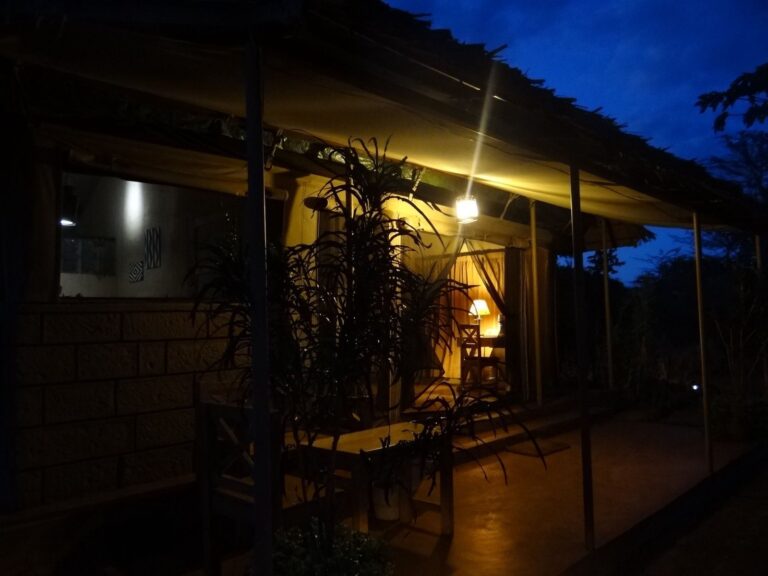
4 hand-picked glamping camps and lodges in and around the park.



Meru National Park guide
Overview
Meru National Park covers about 870 km² on the plains east of Mount Kenya and the Nyambene Hills, around 350 km from Nairobi. It was gazetted as a national park in 1966. Together with the neighbouring Kora National Park and nearby reserves, it forms part of a large protected wilderness along the Tana River.
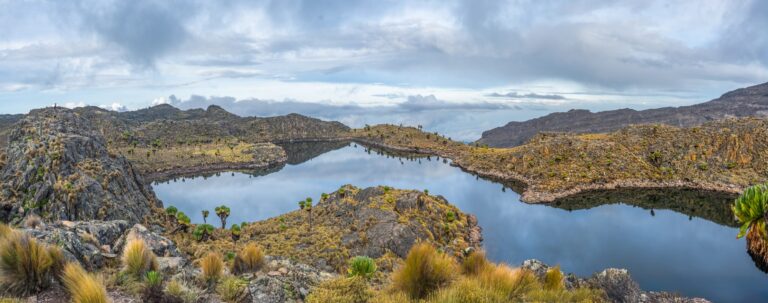
Meru is greener than many Kenyan parks. Thirteen rivers and many streams flow across it from the Nyambene Hills, lined with doum palms, riverine forest and swamps, while the plains are covered in long grass and bush. It’s also where Joy and George Adamson raised Elsa the lioness, the story told in Born Free.
Poaching hit Meru hard in the 1980s, but the park has recovered since then, and it gets only a small share of the visitors that the Maasai Mara and Amboseli receive. That makes it a good choice for travellers who want a quiet, wild safari.
Wildlife & Biodiversity
Mammals
Elephant, buffalo, lion, leopard and cheetah live in the park. White and black rhino are protected inside a fenced rhino sanctuary. Grevy’s zebra, reticulated giraffe, beisa oryx and lesser kudu are northern dry-country species that you won’t see in southern Kenya.
Rivers and birds
Hippo and crocodile live in the Tana and Rojewero rivers. More than 400 bird species have been recorded, including Pel’s fishing owl, palm-nut vultures and many hornbills.
Best Time to Visit
Short answer: June to September and January to February, during the dry seasons, when the grass is shorter.
| Months | Season | What to expect |
|---|---|---|
| Jan – Feb | Short dry season | Good game viewing and warm days. |
| Mar – May | Long rains | Lush and green. Some tracks can become difficult. |
| Jun – Sep | Long dry season | The best time for game viewing. |
| Oct – Dec | Short rains | Afternoon showers and green grass. |
The grass can grow tall after the rains, so animals are easier to see in the dry seasons.
Getting There
By air
| Airport | Best for | Notes |
|---|---|---|
| Jomo Kenyatta International (NBO), Nairobi | Most international visitors | Kenya’s main gateway. Domestic and charter flights leave from Wilson Airport. |
| Wilson Airport (WIL), Nairobi | Scheduled bush flights | Scheduled and charter flights to the Meru (Mulika) airstrip in the park. |
By road
From Nairobi, the drive via Nanyuki and Meru town takes about 6 hours. Enter through the Murera gate near Maua.
Entrance & Fees
Kenya Wildlife Service charges a daily conservation fee per person, paid electronically through eCitizen.
| Visitor | Adult | Child / student |
|---|---|---|
| Non-resident | US$70 | US$40 |
| African citizen | US$40 | US$20 |
| Kenyan resident | KSh 1,100 | KSh 675 |
| East African citizen | KSh 800 | KSh 500 |
Vehicle and camping fees are extra.
Fees last checked October 2026 against the KWS conservation fees schedule (October 2025).