
Where to stay in Chobe National Park
Showing 1–12 of 16 glamping camps and lodges in and around the park.

Ghoha Hills Savuti Lodge

Savute Safari Lodge

Mwandi View

Belmond Savute Elephant Lodge
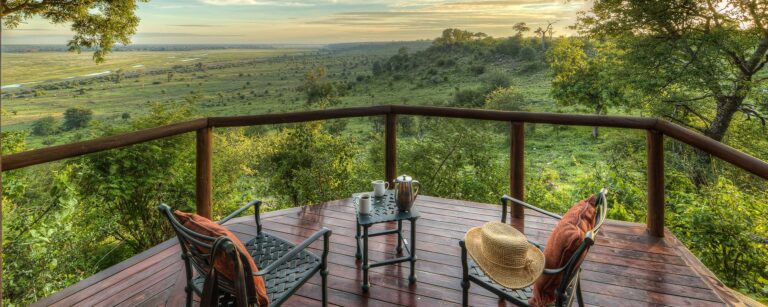
Muchenje Safari Lodge
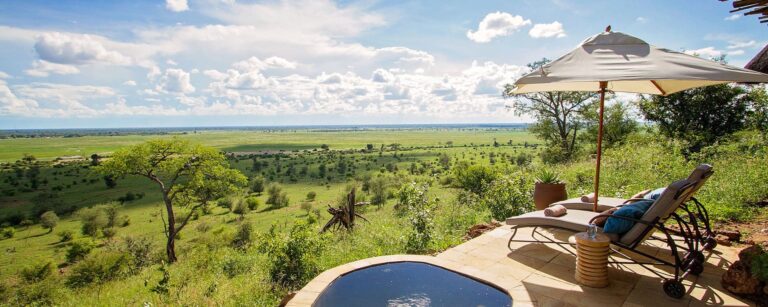
Ngoma Safari Lodge

Chobe Under Canvas
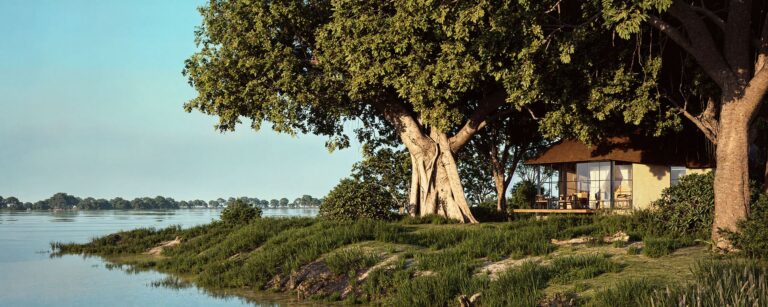
Chobe Savanna Lodge

Wildtrack Safaris Eco Lodge

Sanctuary Chobe Chilwero

Chobe Game Lodge

Chobe Bakwena Lodge
Chobe National Park guide
Overview
Chobe National Park holds the largest elephant population on earth. Estimates for the wider Chobe ecosystem run past 50,000 animals, and in the dry season they come down to the Chobe River in numbers that are genuinely difficult to describe — several hundred elephant on a single stretch of floodplain, drinking, swimming and crossing to the islands, is an ordinary afternoon here.
The park covers roughly 11,700 square kilometres in northern Botswana and divides into four distinct areas. The Chobe Riverfront in the north-east is the busiest and the most productive, a narrow strip of floodplain along the river where game concentrates from May onward. Savuti, in the centre, is famous for its lion prides and for the Savuti Channel, which has an unnerving habit of drying up for decades and then flowing again without warning. Linyanti, in the north-west, borders the marsh of the same name and is quieter and wilder. Nogatsaa, the interior, sees very few vehicles.
What makes Chobe unusual among the great parks is the boat. Game viewing on the Chobe Riverfront is done as much from the water as from a vehicle, and a late-afternoon cruise puts you at eye level with elephant, buffalo, hippo and crocodile on the bank. It is the best photographic light in the park and it is the reason so many visitors rate Chobe above parks with more varied game.
Chobe is also the most accessible of Botswana’s parks. Kasane sits at the north-eastern gate, within a short drive of the Victoria Falls border, which means Chobe is routinely combined with the Falls and with the Okavango on the same itinerary. That accessibility cuts both ways — the riverfront near Kasane carries far more vehicles than anywhere in the Okavango, and day trippers from Victoria Falls add to it. The further west you go, toward Savuti and Linyanti, the more solitude you buy.
Accommodation ranges from lodges in and around Kasane to tented camps inside the park at Savuti and Linyanti, and houseboats on the river itself. The tented camps deep in the park are where Chobe stops feeling busy.
Wildlife & Biodiversity
Elephant
Chobe is the single best place in Africa to watch elephant. The Chobe ecosystem supports a population estimated in the tens of thousands, and in the dry months from July to October they gather on the riverfront in herds that run to several hundred animals. Watching a breeding herd swim a channel to an island is the defining Chobe sighting.
Predators
Savuti is lion country, and the prides there are large and well known — the area’s lions have a documented history of hunting elephant, which is behaviour recorded in very few places. Leopard are present throughout and are seen along the riverfront and in the Linyanti woodland. Spotted hyena are common. Wild dog move through Linyanti and Savuti and are one of the reasons to go west.
Buffalo and Plains Game
Buffalo herds on the riverfront run into the thousands in the dry season. Puku — an antelope with a very restricted range in Botswana — are found on the Chobe floodplain and almost nowhere else in the country. Sable and roan occur in the interior woodland, along with giraffe, zebra, kudu, impala, waterbuck, tsessebe and red lechwe on the wetter ground.
Birding
Over 450 species. The river supports African skimmer, carmine bee-eater colonies that nest in the banks from around August, fish eagle, and a full range of herons, storks and waders. The summer months from November to March bring the migrants and the best birding, and the floodplain fills with waterbirds.
Best Time to Visit
Short answer: August to October, when the interior is dry and elephant gather on the Chobe River in their largest numbers. June and July offer nearly as much game in cooler weather.
| Months | Season | What to expect |
|---|---|---|
| May – June | Early dry season | Surface water disappears from the interior and game starts moving to the river. Cool, comfortable days. |
| July – August | Dry season | Elephant numbers on the riverfront build steadily. Cold early mornings on an open vehicle or boat. Busy around Kasane. |
| September – October | Peak dry season | Elephant concentrations peak. Very hot, with October routinely above 40°C. The best game viewing of the year. |
| November – April | Green season | Afternoon thunderstorms, dispersed game, excellent birding, newborn antelope and much lower rates. Savuti and Linyanti become difficult to reach by road, and some camps close. |
If elephant on the river is what you want, come between August and October. If you prefer birds, lush landscapes and lower rates, the green season is worth considering, particularly on the riverfront, which stays accessible year-round.
Getting There
By air
| Airport | Best for | Notes |
|---|---|---|
| Kasane (BBK) | Chobe Riverfront | A few minutes from Sedudu Gate. Scheduled flights from Johannesburg and Gaborone; charters connect to the Okavango camps. |
| Victoria Falls (VFA), Zimbabwe | Combining Chobe with the Falls | Roughly 80km from Kasane by road via the Kazungula border. Many visitors spend two nights at the Falls and transfer to Chobe. |
| Savuti and Linyanti airstrips | Interior tented camps | Light-aircraft charters from Maun or Kasane. The practical way to reach the interior camps. |
| Maun (MUB) | Combining Chobe with the Okavango Delta | Charter hub for Savuti and Linyanti. |
By road
From Victoria Falls (about 1.5 hours): via the Kazungula border. Straightforward, and the standard transfer.
From Maun (about 8 to 10 hours): north through Nata and Pandamatenga on tar, or the slower route through the park itself via Savuti. The Savuti route requires a properly equipped 4×4, sand-driving experience and at least two vehicles in convoy.
Inside the park: the riverfront is manageable in a high-clearance vehicle in the dry season, though a 4×4 is recommended. Savuti and Linyanti require a 4×4 and genuine deep-sand competence; the Savuti sand ridge defeats unprepared drivers every season.
| Entry point | Area served | Notes |
|---|---|---|
| Sedudu Gate | Chobe Riverfront | Just west of Kasane. The busiest gate. |
| Ngoma Gate | Western riverfront | Near the Namibian border crossing at Ngoma Bridge. |
| Ghoha Gate | Savuti (from the north) | Reached from the Kasane–Ngoma road via Kachikau. Deep sand. |
| Mababe Gate | Savuti (from the south) | The route from Maun and Moremi’s North Gate. |
Entrance & Fees
Park entry is administered by Botswana's Department of Wildlife and National Parks (DWNP). Chobe and Moremi sit in the higher fee band charged at Botswana's busiest reserves.
| Visitor category | Fee (BWP, per person per day) |
|---|---|
| International (non-resident) adult | 270 |
| SADC resident adult | 205 |
| Botswana citizen | 30 |
| Botswana resident | 30 |
| Children under 8 | Free |
| Older children | Reduced rate (roughly half the adult fee); confirm the age band with DWNP |
These are the DWNP rates in force since 1 April 2022. A large increase planned for 1 April 2026 was postponed, and no new date had been announced at the time of checking. Fees are charged per calendar day, so a three-night stay is billed as four days. Vehicle and campsite fees are charged separately. Payment is taken at the park gates or in advance at DWNP offices. Guests booked into a lodge or camp inside the park usually have park fees bundled into the nightly rate; day trips and boat cruises from Kasane lodges normally add them as an extra.
Fees last checked October 2026 against Tourism Update (Botswana DWNP fee schedule).
