
Where to stay in Victoria Falls National Park
Showing 1–12 of 14 glamping camps and lodges in and around the park.
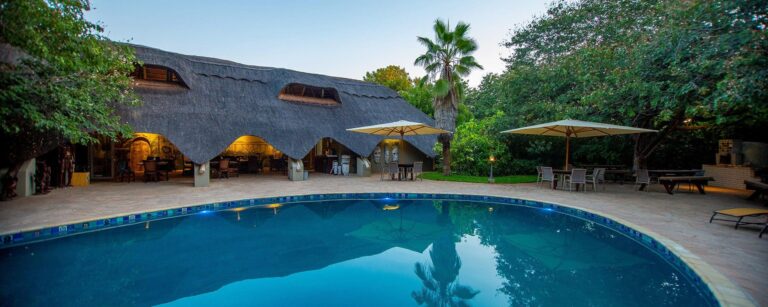
Bayete Guest Lodge

Victoria Falls Safari Club

Mbano Manor Hotel Victoria Falls
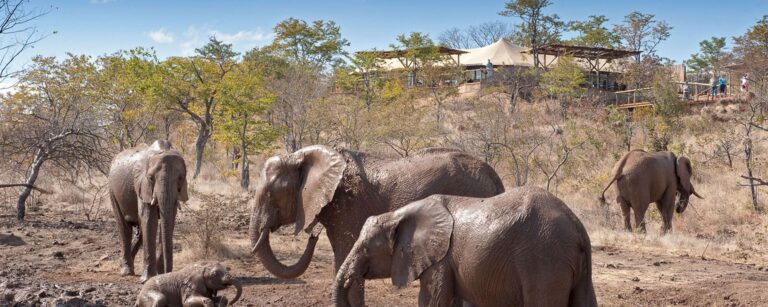
The Elephant Camp

Matetsi Victoria Falls

Batonka Guest Lodge
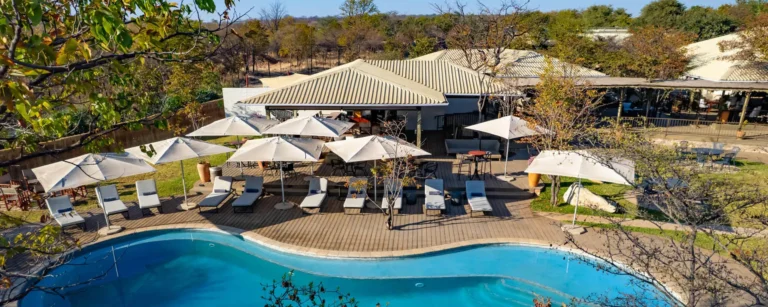
Insika Lodge
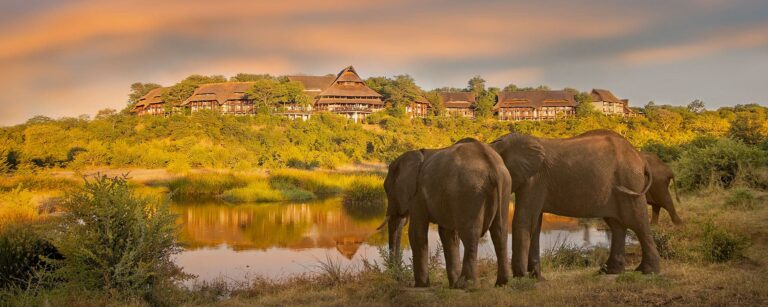
Victoria Falls Safari Lodge

Victoria Falls River Lodge Island Treehouse Suites

The Wallow Lodge

Bupenyu Lodge
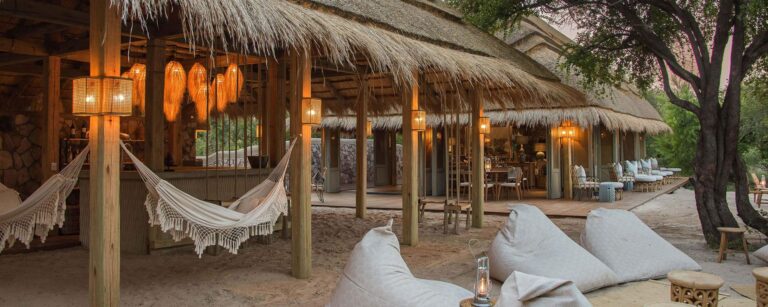
Mpala Jena Camp
Victoria Falls National Park guide
Overview
Victoria Falls National Park is a small park with a very large centrepiece. It covers about 23 km² on the Zimbabwean bank of the Zambezi, wrapped around the Falls and the gorge below them. The Falls are roughly 1,708 metres wide and up to 108 metres high. Together with Zambia’s Mosi-oa-Tunya National Park on the opposite bank, the site was listed by UNESCO as a World Heritage Site in 1989.
Most visitors come for the Rainforest walk. A path runs along the lip of the gorge, opposite the main curtain of water, with numbered viewpoints from the Devil’s Cataract in the west to Danger Point in the east. The spray feeds a strip of evergreen forest of ferns, palms, figs and mahogany that would not survive anywhere else in this dry country. The park gate is a short walk or taxi ride from Victoria Falls town, so a visit fits easily into half a day.
Zimbabwe or Zambia? Zimbabwe holds the longer frontage and the classic face-on views of the Main Falls. Zambia gets you closer to the edge: the Knife-Edge Bridge, the Boiling Pot trail and, in low water, Devil’s Pool on Livingstone Island. In the dry months the Zambian section of the Falls can thin to bare rock, while the Zimbabwe side keeps flowing. Many travellers see both, crossing the Victoria Falls Bridge on a KAZA UniVisa.
The national park itself is narrow. It runs from about 6 km above the Falls to about 12 km below them. Upstream, the larger Zambezi National Park takes over, with some 56,000 hectares of riverine forest and mopane woodland. This is where the quieter river lodges sit. Victoria Falls River Lodge and Old Drift Lodge are inside Zambezi National Park, with tented suites on the water, game drives, canoeing and sunset cruises. Further upstream, Matetsi Victoria Falls has a long private river frontage. On the Zambian bank, lodges such as Tongabezi, Thorntree River Lodge and Royal Chundu offer a similar riverside stay.
The choice is essentially town versus river. Staying in Victoria Falls town puts you within walking distance of the Rainforest, restaurants and the bridge, but it is busy. A river lodge trades that convenience for hippos, birdlife and silence, with a 15 to 45 minute transfer into town. Prices range from mid-range hotels in town to high-end tented camps on the river. Victoria Falls also works well as the start or end of a safari, with short road or air links to Hwange, Chobe and the Okavango Delta.
Wildlife & Biodiversity
In the Rainforest
The Rainforest is not a game-viewing destination, but it is lively. Bushbuck graze between the viewpoints and vervet monkeys and chacma baboons forage along the paths. Trumpeter hornbills and Schalow’s turacos feed in the fig trees. Keep food out of sight: the baboons are bold.
Zambezi National Park and the upper river
Upstream of the Falls, Zambezi National Park holds a fuller cast. Elephant and Cape buffalo come down to the river in the dry season. Sable antelope are a speciality, along with greater kudu, waterbuck, eland, giraffe and impala. Lion and leopard are present but not dense, so treat a sighting as a bonus rather than a promise. Hippos and Nile crocodiles are common along the river, and sunset cruises and canoe trips are the easiest way to see them.
Rhino
Victoria Falls National Park is home to white rhino under protection. On the Zambian bank, Mosi-oa-Tunya National Park also runs guided walks to see white rhino, which are among the most reliable rhino sightings in the region.
Birds
More than 400 bird species have been recorded in the wider area. The Batoka Gorge below the Falls is a breeding site for Taita falcons, and black eagles hunt along the cliffs. On the upper Zambezi, look for African skimmers on the sandbanks in the dry season, African finfoot along the banks, and Pel’s fishing owl in the thicker riverine forest. Rock pratincoles nest on the exposed rocks in low water.
Fish
The Zambezi above the Falls holds about 75 fish species, including tigerfish. Catch-and-release fishing is offered by several river lodges.
Best Time to Visit
Short answer: June to August is the best all-round time, with strong flow, manageable spray and cool, dry weather. Go in March to May for maximum water power, or September to December for clear views, Devil's Pool and lower prices.
| Months | Season | What to expect |
|---|---|---|
| January – February | Rains, rising water | Hot and humid with afternoon storms. The river rises fast. Views are good, spray builds, and the bush is green. |
| March – May | Peak flood | Highest water, usually peaking around April. The spray cloud can rise hundreds of metres and blocks parts of the view. Expect a full soaking on the Rainforest walk. White-water rafting is limited or closed. |
| June – August | High water, dry season | Strong flow with less spray. Clear skies, cool nights and warm days. The most popular time to visit, so book lodges early. |
| September – October | Falling water | Flow drops and the rock face shows through, especially on the Zambian side. Hot. Full rafting runs operate. Devil's Pool on the Zambian side is usually open. |
| November – December | Low water | Lowest levels of the year. Parts of the Zambian side may be dry, but the Zimbabwe side keeps a steady curtain of water. Very hot until the rains arrive, usually in late November or December. |
Water levels depend on rainfall in the upper Zambezi catchment in Angola and Zambia, so the peak can shift by several weeks from year to year. For game viewing on the upper river, the dry months from July to October are best.
Getting There
By air
| Airport | Best for | Notes |
|---|---|---|
| Victoria Falls International Airport (VFA), Zimbabwe | Zimbabwe-side stays, Zambezi National Park lodges, onward to Hwange | About 20 km from town. Regional flights from Johannesburg, Cape Town and other African hubs. Most lodges arrange road transfers. |
| Harry Mwanga Nkumbula International Airport (LVI), Livingstone, Zambia | Zambian-side river lodges, Livingstone | Regional flights from Johannesburg and Lusaka. About 30 minutes to the border at the Victoria Falls Bridge. |
| Kasane Airport (BBK), Botswana | Combining the Falls with Chobe | Around 1 to 1.5 hours by road to Victoria Falls via the Kazungula border. |
By road
Victoria Falls town sits at the end of the A8 from Bulawayo, roughly 440 km away. Hwange National Park is about two to three hours south-east on the same road. From Botswana, the drive from Kasane takes about an hour plus border time. From Zambia, you cross the Victoria Falls Bridge on foot or by car from Livingstone.
The Rainforest entrance is on the edge of town, a short walk from most hotels. Lodges in Zambezi National Park are reached on the Zambezi Drive along the river, and transfers are usually included.
Visas
The KAZA UniVisa covers Zimbabwe and Zambia, including multiple crossings between the two sides of the Falls, and day trips to Kasane in Botswana. Check current eligibility and availability before you travel.
Entrance & Fees
Entry to the Rainforest on the Zimbabwe side is paid at the park gate per person per visit, in US dollars. ZimParks raised international fees in early 2026 after VAT was applied to tourism services.
| Ticket | International | Zimbabwean |
|---|---|---|
| Rainforest, main gate (day visit) | US$58 | US$7 |
| VIP gate | US$174 | US$30 |
| Moonlight viewing (around full moon) | US$116 | US$15 |
These are 2026 figures. SADC-resident rates were not included in the 2026 announcement, so confirm them at the gate or with ZimParks. The Zambian side of the Falls and Zambezi National Park charge separate entry fees. River lodges often include park fees in their rates, so check before paying twice.
Fees last checked October 2026 against Bulawayo24 report on the 2026 ZimParks fee increase.