


Where to stay in Mana Pools National Park
8 hand-picked glamping camps and lodges in and around the park.
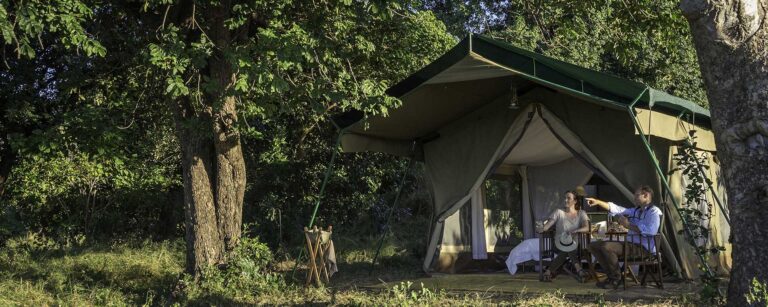
John’s Camp
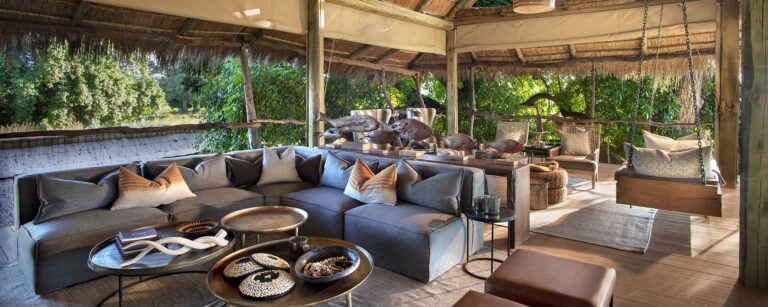
Nyamatusi Mahogany Camp

Nyamatusi Camp

Chikwenya

Little Ruckomechi
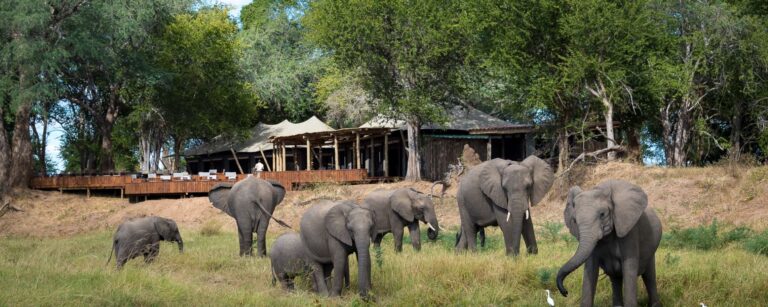
Ruckomechi Camp
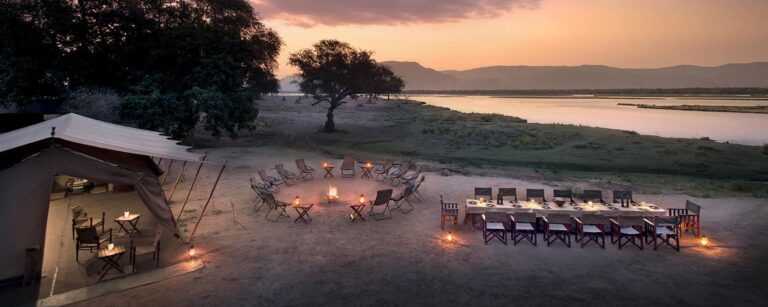
Zambezi Expeditions

Kanga Camp
Mana Pools National Park guide
Overview
Mana Pools National Park covers about 2,196 km² of the Zambezi Valley in northern Zimbabwe, across the river from Lower Zambezi National Park in Zambia. It became a national park in 1975, and in 1984, together with the neighbouring Sapi and Chewore Safari Areas, it was inscribed as a UNESCO World Heritage Site.
The name means “four” in the Shona language and refers to the large pools left behind as the Zambezi changed its course. The river terraces are shaded by tall winterthorn (Faidherbia albida) trees and mahogany, which draw elephant and antelope in the dry season.
Mana Pools is famous for walking safaris. It is one of the few parks in Africa where guided and, in some areas, unguided walking is allowed, and canoe safaris on the Zambezi are another classic way to explore it. It is remote, so most visitors fly in or come with a mobile safari.
Wildlife & Biodiversity
Big game
Elephant are the highlight. Some bulls stand on their hind legs to reach albida pods. Lion, leopard, buffalo, spotted hyena and African wild dog are present, along with eland, kudu, waterbuck, zebra and impala.
River and birds
Hippo and crocodile are abundant in the Zambezi. More than 350 bird species have been recorded, including carmine bee-eaters and the Lilian’s lovebird.
Best Time to Visit
Short answer: July to October, when the bush dries out and animals crowd the river terraces. The park is largely closed in the rains.
| Months | Season | What to expect |
|---|---|---|
| Apr – Jun | Early dry season | Green, with camps reopening. Fewer animals on the floodplains. |
| Jul – Oct | Dry season | The peak months for walking, canoeing and game viewing. October is extremely hot. |
| Nov – Mar | Rainy season | Very hot and wet. Roads become impassable and most camps close. |
Mana Pools is in a malaria and tsetse fly area. Walking safaris must be done with a licensed guide unless you meet the park's rules for unguided walking.
Getting There
By air
| Airport | Best for | Notes |
|---|---|---|
| Robert Gabriel Mugabe International (HRE), Harare | International arrivals | About 6 hours by road, or a charter flight. |
| Mana Pools airstrips | Charter flights | Charters from Harare, Kariba and Victoria Falls. |
By road
From Harare, drive north-west to Makuti, then down the escarpment to Marongora, where you collect your entry permit. The final 70 km is gravel and needs a high-clearance vehicle, ideally a 4×4.
Entrance & Fees
ZimParks charges a daily conservation fee per person, which covers Mana Pools and the adjoining Sapi and Chewore areas. The fee is the same for day visitors and overnight guests.
| Visitor | Per person per day |
|---|---|
| International | US$24 |
| SADC national | US$18 |
| Zimbabwean | US$8 |
Rates include VAT. Vehicle, camping and walking fees are extra and are paid at Marongora.
Fees last checked October 2026 against the ZimParks 2026 tariff.