Where to stay in Katavi National Park
3 hand-picked glamping camps and lodges in and around the park.


Katavi National Park guide
Overview
Katavi National Park covers 4,471 km² in western Tanzania, between Lake Tanganyika and Lake Rukwa. It was gazetted in 1974 with an area of 2,253 km² and doubled in size in 1997. It’s one of Tanzania’s most remote and least visited parks.
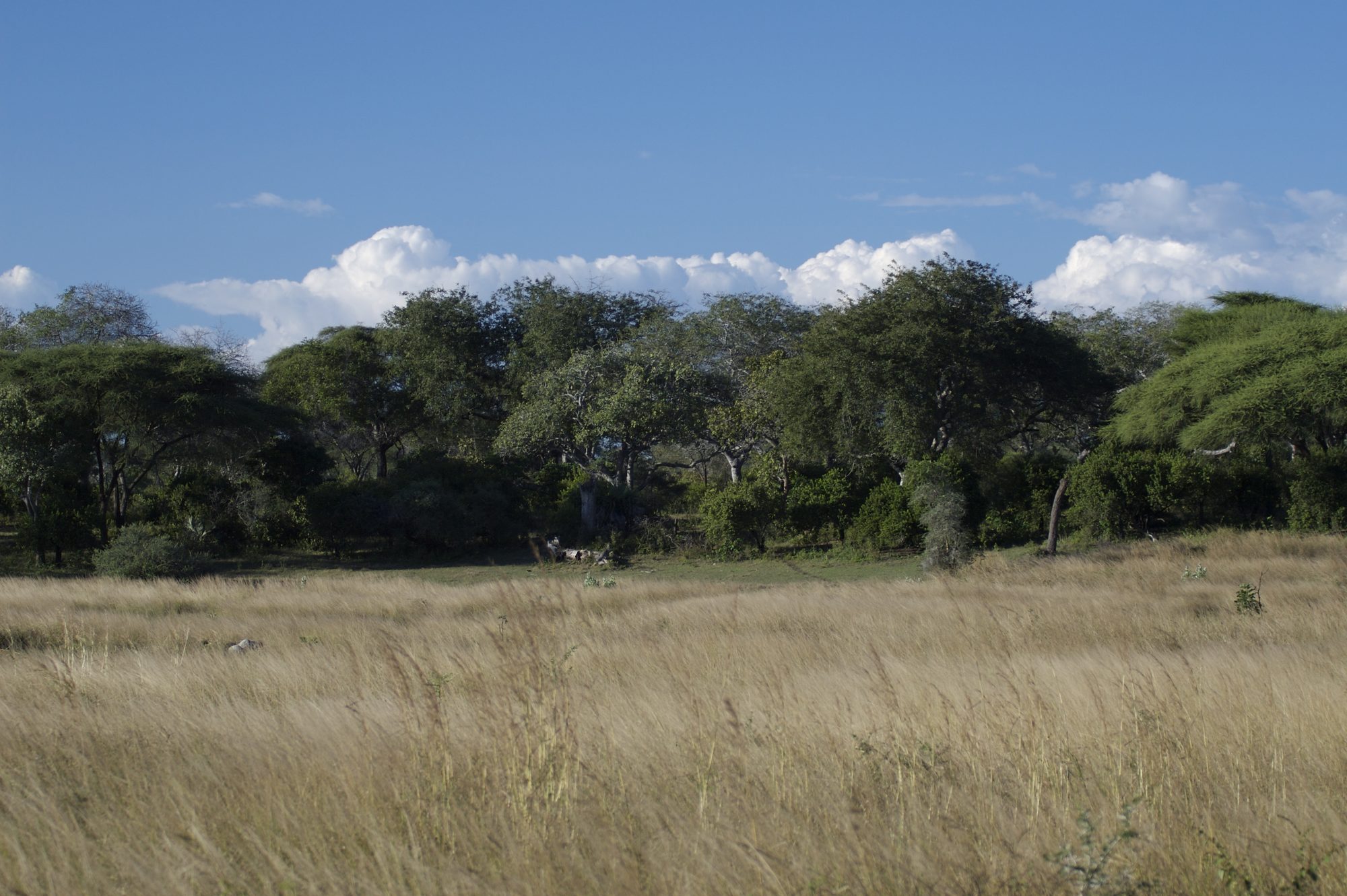
The heart of the park is a series of wide floodplains around the Katuma River and lakes Katavi and Chada. In the wet season these become shallow lakes and swamps. In the dry season they shrink to grassland, and the remaining water attracts huge numbers of animals.
The park is named after Katabi, a spirit of the Wabende people who is said to live in a tamarind tree near Lake Katavi. A few seasonal camps offer game drives and guided walks, and Katavi combines well with Mahale Mountains for chimpanzees.
Wildlife & Biodiversity
Big game
Katavi is famous for buffalo herds that can number in the thousands, and for lion that follow them. Elephant, giraffe, zebra, topi, eland and roan antelope are also common, and leopard and spotted hyena are present.
Hippos and crocodiles
In the late dry season, hundreds of hippos crowd into the shrinking pools of the Katuma River, and crocodiles shelter in mud caves along its banks.
Birds
More than 400 bird species have been recorded, with many waterbirds on the floodplains.
Best Time to Visit
Short answer: June to October, in the dry season, when wildlife crowds the last water.
| Months | Season | What to expect |
|---|---|---|
| Jun – Aug | Dry season | Cool, with excellent game viewing. |
| Sep – Oct | Late dry season | Hot, with huge concentrations of hippo and buffalo. |
| Nov – Apr | Rainy season | Very wet, with many camps closed and most access difficult. |
Katavi is in a malaria area and has tsetse flies. Take prophylaxis and wear neutral colours.
Getting There
By air
| Airport | Best for | Notes |
|---|---|---|
| Julius Nyerere International (DAR), Dar es Salaam | International arrivals | Scheduled light-aircraft flights to Katavi take several hours, often via Ruaha. |
| Kilimanjaro International (JRO) | Northern Tanzania safaris | Scheduled flights to Katavi run in season, usually combined with Mahale. |
By road
Road access is very long and difficult, through Mpanda or Sumbawanga, so almost all visitors fly in on scheduled or charter flights to the park’s airstrips.
Entrance & Fees
Tanzania National Parks charges a conservation fee per person for each 24 hours in the park, paid electronically before or at the gate. From 2026/27 the tariff is quoted in Tanzanian shillings.
| Visitor | Adult | Child (5–15) |
|---|---|---|
| Non-resident | TZS 76,650 | TZS 25,550 |
| Expatriate / resident foreigner | TZS 38,325 | TZS 12,775 |
| Tanzanian citizen | TZS 5,000 | TZS 2,000 |
Katavi's conservation fee is the same all year. Children under five enter free. Vehicle, camping and activity fees are extra, and VAT may be added, so confirm the total when you book.
Fees last checked October 2026 against the Tanzania National Parks tariff system (2026/27).