Where to stay in Skeleton Coast National Park
4 hand-picked glamping camps and lodges in and around the park.



Skeleton Coast National Park guide
Overview
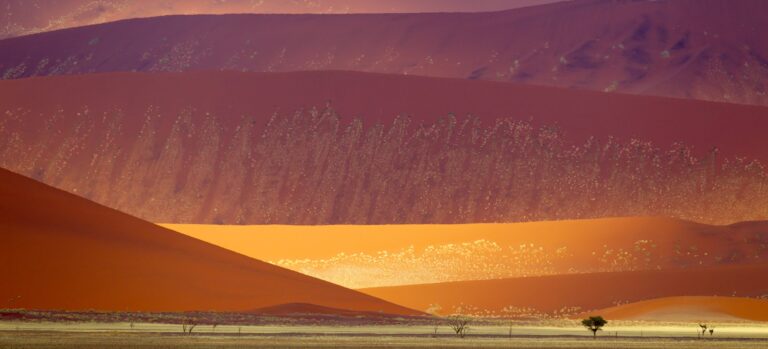
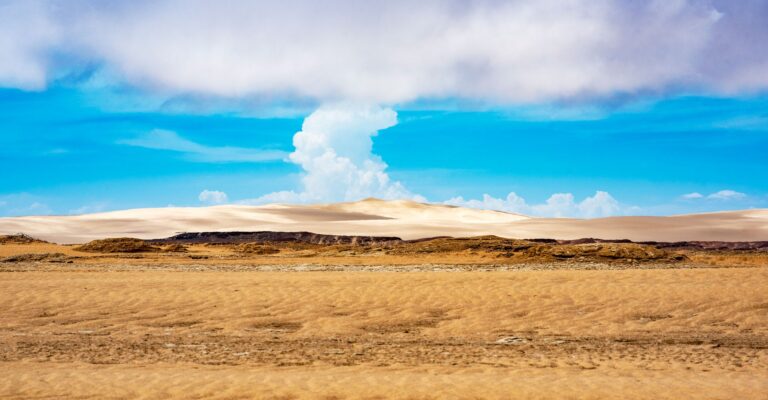
Skeleton Coast National Park stretches for about 500 km along Namibia’s northern Atlantic coast, from the Ugab River in the south to the Kunene River on the Angolan border. It was proclaimed in 1971 and covers about 16,390 km² of coastal desert, gravel plains, dunes and dry riverbeds.
The name comes from the whale and seal bones that once littered the beaches and from the many ships wrecked in its cold fog. The cold Benguela Current offshore creates the fog that rolls in most mornings and supports a surprising amount of life in what looks like an empty desert.
The southern section between the Ugab and Hoanib rivers is open to self-drive visitors, with the fishing camps at Torra Bay and Terrace Bay. The northern wilderness area is a private concession that can only be visited on fly-in safaris, which explore the dune fields, the clay castles of the Hoarusib and the Kunene river mouth.
Wildlife & Biodiversity
Desert-adapted wildlife
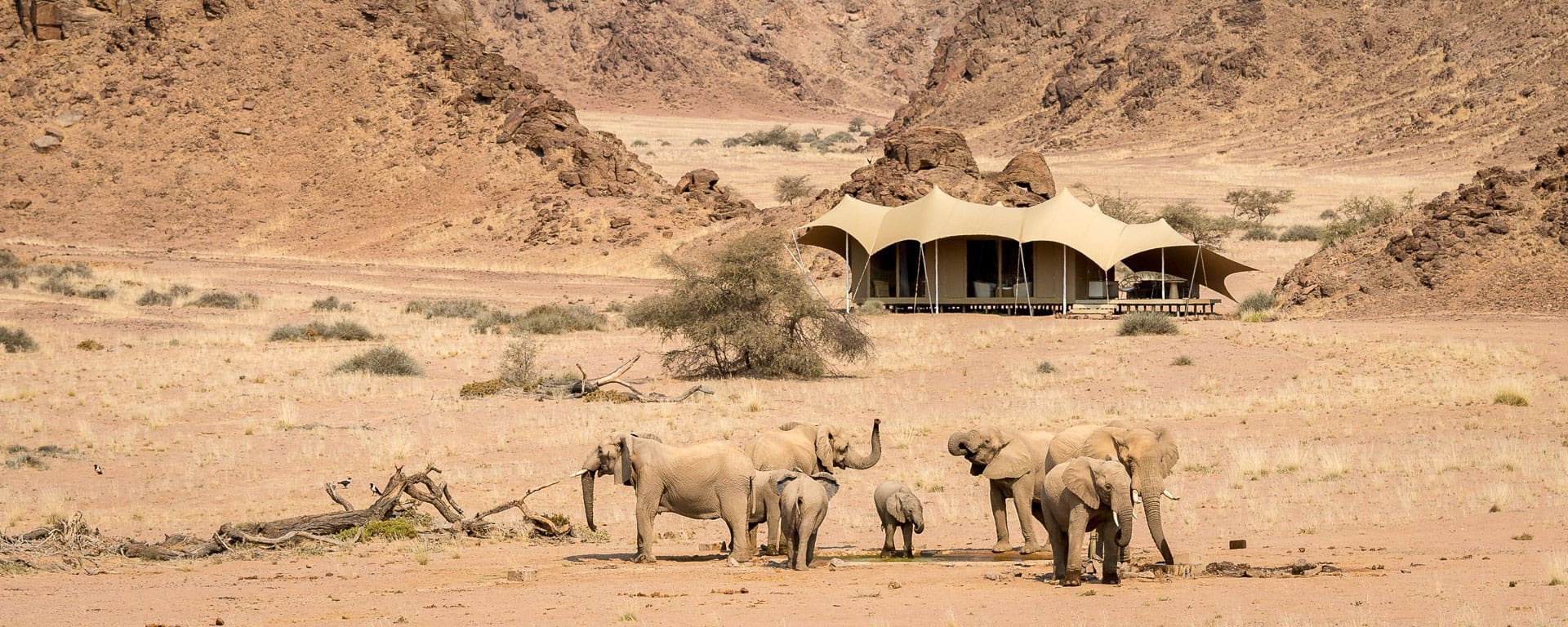
Desert-adapted elephants, lions, giraffe and black rhino follow the dry rivers that run through the park, such as the Hoanib and Hoarusib. Gemsbok, springbok, brown hyena and black-backed jackal also live here.
The coast
Cape fur seals breed along the coast, and the beaches are patrolled by brown hyena and jackal. The fog supports specialised insects, lizards and plants, including the ancient welwitschia.
Birds
Damara terns nest on the gravel plains, and flamingos and other waterbirds gather at the river mouths.
Best Time to Visit
Short answer: Any time of year. The coast stays cool and foggy, while inland it's hot from October to March.
| Months | Season | What to expect |
|---|---|---|
| May – Sep | Cool, dry season | Clear inland days and cool coastal fog. Good for desert wildlife. |
| Oct – Apr | Hot season | Hot inland, but the coast stays mild. Rare rains can bring the rivers to life. |
Carry fuel, water and spares on the southern self-drive route. Distances between services are long.
Getting There
By air
| Airport | Best for | Notes |
|---|---|---|
| Hosea Kutako International (WDH), Windhoek | All international arrivals | About 6 to 7 hours by road to the Ugab gate, or connect to a charter flight. |
| Walvis Bay (WVB) | Domestic flights | About 3 hours by road to the Ugab gate via Henties Bay. |
By road
The C34 salt road runs north from Swakopmund and Henties Bay to the Ugab River gate and on to Torra Bay and Terrace Bay. You can also enter from Damaraland through the Springbokwasser gate on the C39. You need a permit to drive through the park, and you must reach the gates before they close.
Entrance & Fees
Namibia's Ministry of Environment, Forestry and Tourism charges a daily park entry fee per person and per vehicle. The rates below apply from 1 April 2026.
| Visitor | Adult (16+) | Child (9–15) |
|---|---|---|
| Foreign national | N$280 | N$180 |
| SADC national | N$180 | N$100 |
| Namibian citizen | N$60 | Free |
| Vehicle (up to 10 seats) | N$60 per day | – |
Children aged 8 and under enter free. The northern wilderness concession can only be visited on fly-in safaris, and its fees are included in the safari price.
Fees last checked October 2026 against the Namibian Government Gazette of 1 April 2026.