
Where to stay in Cederberg Wilderness Area
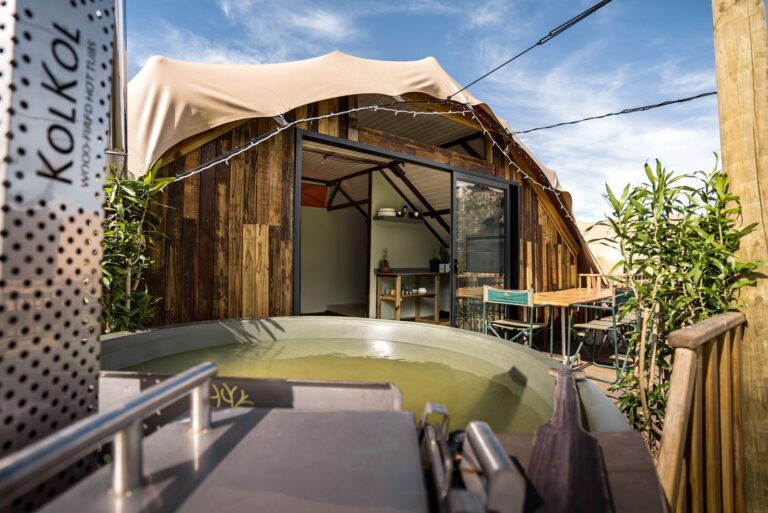
2 hand-picked glamping camps and lodges in and around the park.

Cederberg Wilderness Area guide
Overview
The Cederberg Wilderness Area covers about 71,000 hectares of rugged mountains in the Western Cape, some 250 km north of Cape Town. It stretches from the Middelberg Pass near Citrusdal in the south to beyond the Pakhuis Pass near Clanwilliam in the north. CapeNature manages it, and it forms part of the Cape Floral Region Protected Areas World Heritage Site.
The area was first protected as a demarcated forest in 1897, making it one of South Africa’s oldest protected areas, and was declared a wilderness in 1973. Its name comes from the Clanwilliam cedar, a rare tree that grows only in these mountains. Weathered sandstone, stained orange by iron oxide, forms arches, towers and caves across the range. The best known are the Wolfberg Arch, the Maltese Cross and the Stadsaal Caves.
The Cederberg is not a safari destination. People come to hike, climb, boulder, swim in rock pools, look for rock art and sit under some of the darkest skies within reach of Cape Town. The San and Khoekhoe left thousands of paintings in the overhangs, and several sites, including those on the Sevilla Rock Art Trail, can be visited on foot. The Rocklands area near the Pakhuis Pass is one of the world’s best-known bouldering destinations.
Wilderness rules apply inside the protected area: numbers are limited, there are no vehicles on the trails and overnight hikers need a permit. Most visitors stay on the farms and guest properties that border the wilderness, from CapeNature’s campsites at Algeria and Kliphuis to private cottages and glamping camps in the valleys around Clanwilliam and the Pakhuis Pass. The towns of Clanwilliam and Citrusdal are known for rooibos tea and citrus, and the wider area is a spring wildflower region.
Wildlife & Biodiversity
Mammals
The Cederberg is home to the Cape leopard, a smaller mountain form of leopard that is rarely seen but often leaves tracks on the trails. Other mammals include caracal, klipspringer, grey rhebok, grey duiker, chacma baboon, rock hyrax and porcupine.
Plants
The mountains are covered in sandstone fynbos, part of the Cape Floristic Region, with a drier Succulent Karoo edge to the east. Look for the endangered Clanwilliam cedar on the higher slopes and the snow protea, which grows only above the snowline on the highest peaks. In spring, from about August to October, wildflowers carpet the valleys and the roads north towards Namaqualand.
Birds
Verreaux’s (black) eagles hunt over the cliffs, and the fynbos holds Cape sugarbirds, orange-breasted and malachite sunbirds, Cape rockjumpers and protea canaries.
Rivers
The Olifants–Doring river system that drains the Cederberg has more endemic fish species than any other in South Africa, including the Clanwilliam yellowfish and several redfins.
Best Time to Visit
Short answer: March to May and September to November, when days are warm and nights are cool. Spring (August to October) adds wildflowers.
| Months | Season | What to expect |
|---|---|---|
| Dec – Feb | Hot, dry summer | Daytime temperatures often pass 35°C. Hike early and swim in the rivers and rock pools in the afternoon. Busy in school holidays. |
| Mar – May | Autumn | Settled, warm weather and clear skies. Many visitors think this is the best hiking season. |
| Jun – Aug | Wet winter | Cold, with rain and occasional snow on the high peaks. Quiet, with the trails green and flowing. |
| Sep – Nov | Spring | Wildflowers, warm days and full streams. Book early for September weekends and school holidays. |
Wilderness trails are capped at 50 people per zone per day, so book permits well ahead for long weekends.
Getting There
By air
| Airport | Best for | Notes |
|---|---|---|
| Cape Town International (CPT) | All of the Cederberg | About three hours by road to Clanwilliam or Algeria. International and domestic flights; car hire at the airport. |
By road
From Cape Town, take the N7 north. For the southern Cederberg and the Algeria campsite, turn off about 27 km north of Citrusdal and follow the gravel road over the Nieuwoudt Pass. For Clanwilliam, the Pakhuis Pass and Rocklands, continue on the N7 to Clanwilliam and take the R364 east. Allow three to three and a half hours.
Many roads inside the Cederberg are gravel. A normal car copes with the main routes in dry weather, but check conditions after rain and fill up in Citrusdal or Clanwilliam.
Entrance & Fees
CapeNature charges a conservation fee for hiking in the wilderness area and for its popular day trails. The fee for the CapeNature campsites and cottages is separate.
| Permit | Adult | Child |
|---|---|---|
| Wolfberg Arch via the Wolfberg Cracks | R170 | R100 |
| Maltese Cross | R100 | R70 |
| Stadsaal and Truitjieskraal combined | R100 | R60 |
| Overnight wilderness trails (per person per night) | R200 | R200 |
| Bouldering permit (per day) | R85 | R85 |
Permits are available from CapeNature and from some private farms that border the wilderness. A CapeNature Wild Card covers conservation fees for frequent visitors.
Fees last checked October 2026 against the CapeNature Cederberg Wilderness Area tariffs.