Where to stay in Ruma National Park
We haven't added glamping stays in Ruma National Park yet. We're adding new camps every week.
Browse all glamping stays →Ruma National Park guide
Overview
Ruma National Park covers about 120 km² in Homa Bay County, in the Lambwe Valley near Lake Victoria. It was first protected in 1966 as the Lambwe Valley Game Reserve and became a national park in 1983.
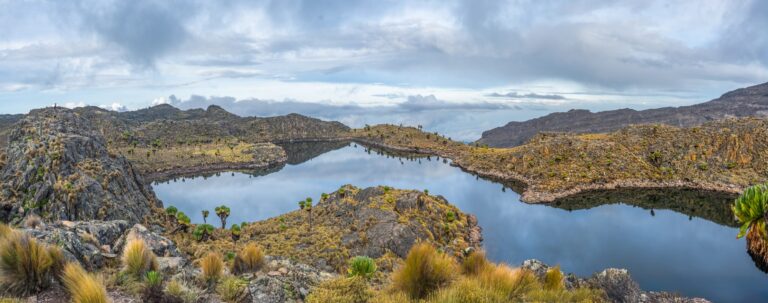
The park is made of grassland, woodland and hills, between the Gwasi Hills and the Kanyamwa escarpment.
Ruma is the only place in Kenya where roan antelope live. It’s quiet, with few visitors, campsites and simple accommodation.
Wildlife & Biodiversity
Roan antelope
Ruma protects Kenya’s last population of roan antelope.
Other wildlife
Rothschild’s giraffe, oribi, Jackson’s hartebeest, topi and other antelope also live in the park.
Birds
Ruma is good for birds, including the blue swallow, a migrant from the south.
Best Time to Visit
Short answer: December to March and June to September, in the drier months.
| Months | Season | What to expect |
|---|---|---|
| Dec – Mar | Dry season | Warm and drier. The best time for walking and birding. |
| Apr – May | Long rains | Heavy rain. Tracks can be muddy. |
| Jun – Sep | Mid-year | Mostly dry and pleasant. |
| Oct – Nov | Short rains | Afternoon showers and green landscapes. |
Bring your own food. There are no shops nearby.
Getting There
By air
| Airport | Best for | Notes |
|---|---|---|
| Kisumu International (KIS) | Domestic flights | About 2.5 to 3 hours by road. |
By road
From Kisumu, drive south to Homa Bay, then west towards Mbita. The park is signposted.
Entrance & Fees
Kenya Wildlife Service charges a daily conservation fee per person, paid electronically through eCitizen. Ruma is in the special interest category.
| Visitor | Adult | Child / student |
|---|---|---|
| Non-resident | US$40 | US$20 |
| African citizen | US$20 | US$10 |
| Kenyan resident | KSh 675 | KSh 350 |
| East African citizen | KSh 500 | KSh 250 |
Confirm the current rates on the KWS website before you go.
Fees last checked October 2026 against the KWS conservation fees schedule (October 2025).